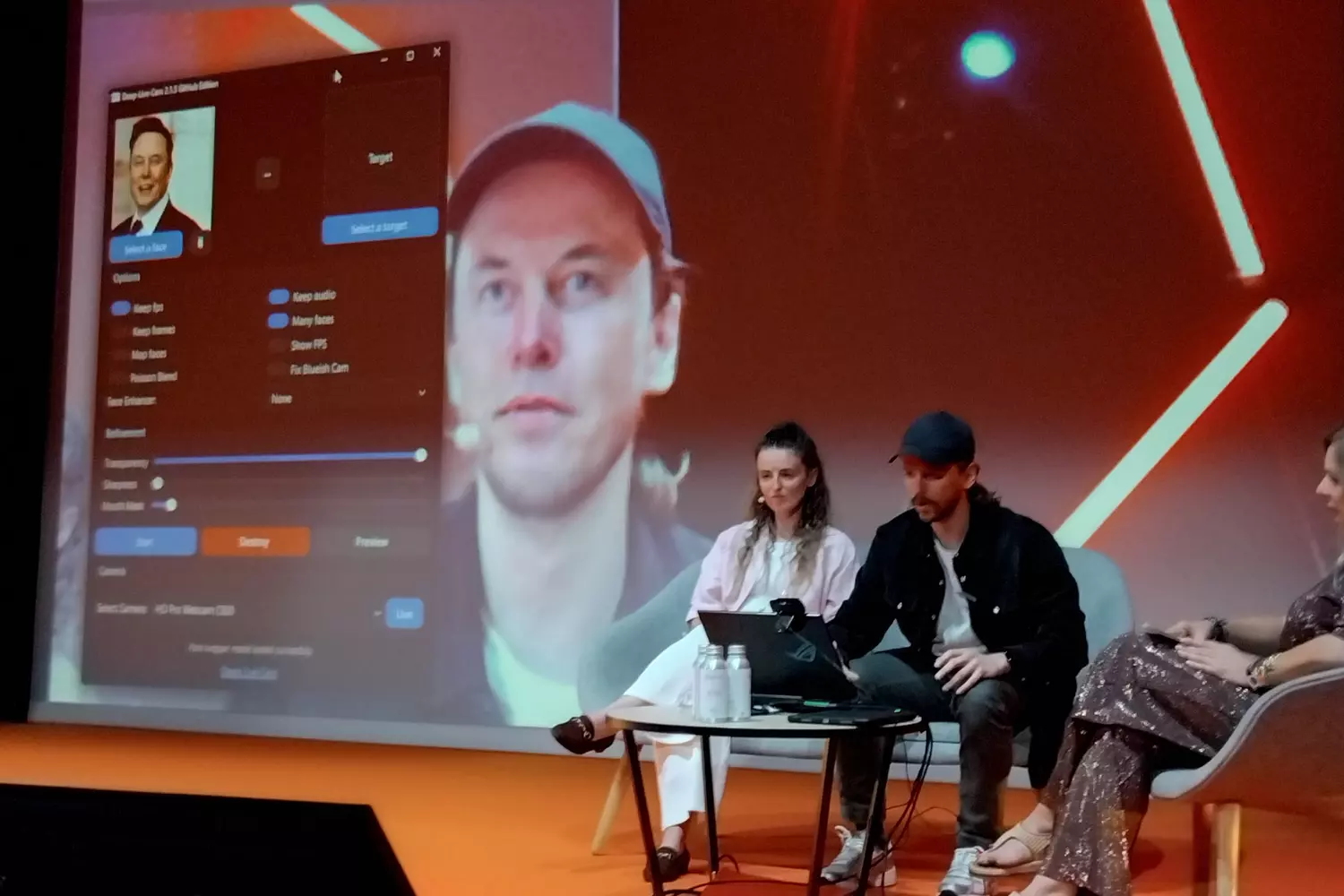








How adaptive platforms discreetly personalize our digital daily lives. The digital interfaces that we use every day adapt to our daily lives.
Behind our screens: how adaptive platforms discreetly personalize our digital daily lives
The digital interfaces we use every day no longer simply display content. They orchestrate it. Each smartphone screen, each mobile application, each professional dashboard adjusts its proposition according to hundreds of signals captured in the background. This permanent adaptation is based on a software infrastructure whose complexity is largely beyond the reach of end users. For telephony, network and integration professionals, understanding these mechanisms becomes essential. The network layer ceases to be a simple transmission channel. It becomes an active parameter in an invisible but omnipresent chain of personalization.
The invisible architecture of AI algorithmic personalization
The algorithms weigh connection time, geolocation, device type, signal quality and behavioral history to dynamically reconfigure the proposed experience. This distributed capture powers predictive models that reorganize digital daily life without conscious user intervention. For the actors of the connectivitythis logic profoundly modifies the nature of the expected services. The connected terminal now transmits metadata that can be used by dozens of platforms simultaneously. The discretion of the process contrasts with its scale. Work published by the CNIL in 2025 estimates that an average smartphone generates several thousand adaptive requests per day, the majority of which go unnoticed. Mobile operators and SIM card distributors are watching this development carefully. Personalization is no longer limited to the content displayed on the screen. It now penetrates connection settings, QoS profiles, and network routing policies. This silent transformation is reshaping the expectations of corporate clients and requiring resellers to rapidly increase their skills.
Mobile networks, adaptation to our lifestyles
The 5G Standalone architecture, currently being gradually deployed in France, allows granular network segmentation. Each flow can be treated differently depending on its origin, destination and the service policy applied. This logic of network slices redraws the role of operators and their distribution partners. The traditional package is gradually giving way to modular offers, calibrated on real uses measured by supervision platforms. A mobile reseller can now offer configurations adapted to specific verticals: professional fleets, industrial terminals, medical equipment or mobility solutions. The distribution of SIM cards and eSIMs is enriched with software parameters invisible to the holder. The hardware identifier remains stable. The service profile evolves according to the needs declared or detected by the analysis layers. This technical plasticity is transforming the profession of network integrators. The ability to quickly provision adaptive profiles becomes a decisive competitive advantage. European MVNOs are accelerating their investments in these dynamic management platforms. At the start of the year, ARCEP documented a four-fold increase in professional eSIM activations between 2023 and 2025 on the French market. Regional distributors who structure their offering around these new capabilities are capturing a growing share of the B2B market.
The IoT, a physical extension of algorithmic personalization
Beyond smartphones, adaptive personalization is now reaching connected objects. Household sensors, industrial equipment, medical devices, connected vehicles and smart meters contribute to a dense information network. IoT solutions rely on dedicated connectivity, often invisible to the end user but critical to operators and integrators. Connectivity profiles vary depending on energy constraints, the volumes of data exchanged and the criticality of transmissions. A connected thermostat does not use the network like a surveillance camera or an industrial sensor. The management of these heterogeneous flows requires specialized supervision platforms. IT resellers positioned in these segments are observing growing demand for unified architectures. Professional customers now want to manage their connected fleet from a single interface, capable of aggregating connectivity, consumption and behavior data. This convergence redefines the value chain. Industrial SIM distributors, business software publishers and dedicated network operators are converging towards integrated offers. The personalization of connected objects is no longer distinguishable from the personalization of content. It constitutes its physical extension, anchored in the territory and subject to the same logic of algorithmic optimization. This trend is confirmed in the industrial deployments observed since the last Mobile World Congress.
A strategic opportunity for IT professionals
The rise of adaptive platforms opens up a new economic space for intermediary players in telephony and network integration. Repairers, integrators and resellers have a privileged position to support companies in this transition. Mastering connectivity layers and service profiles becomes marketable know-how. Professionals capable of configuring, monitoring and scaling their clients’ personalized infrastructures gain business visibility and margins. This dynamic encourages the emergence of white label agreements, which provide distribution partners with complete mobile and IoT management platforms. Structures like Bisatel Telecom embody this approach, offering turnkey MVNO solutions to resellers wishing to enrich their catalog without investing in proprietary infrastructure. The underlying logic remains constant: enabling IT professionals to meet increasing customization demands without giving up their business independence. The transformation of screens into adaptive surfaces is not limited to technical development. It is redrawing the contours of an economy where personalized connectivity becomes a product in itself, distributed by specialized players. For European resellers and integrators, this change represents less of a constraint than an invitation to broaden their service scope towards offers with high added value.