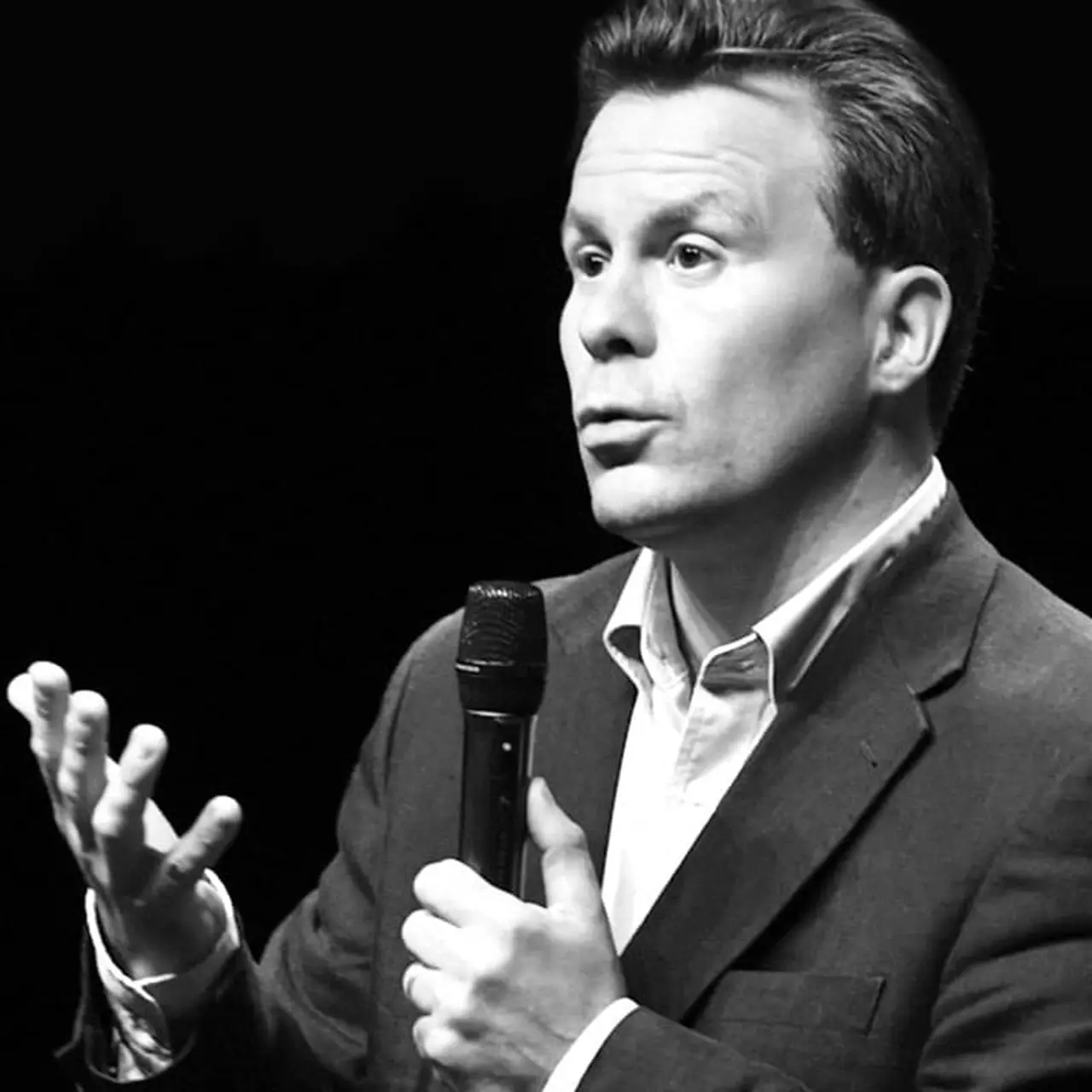









On the occasion of the 77th World News Media Congress that his association is organizing in Marseille from June 1 to 3, Stig Kirk Ørskov, CEO of the World Association of News Media Publishers, sets out his vision on the future of the press
JDN. French news media are facing economic difficulties, all segments are affected. What do you see in the world?
Stig Kirk Ørskov. The global situation is more mixed: in some parts of the world, the media continue to prosper very well, while in others they encounter difficulties. In Northern Europe for example, as in certain segments in the United States, the press is doing well, its activity is profitable. I was CEO of the largest Danish press group (JP/Politiken Hus, editor’s note) for twelve years and I can confirm this to you.
I think that the media which are having the most difficulties today are those whose model is still too dependent on advertising. The days when digital brought new sources of advertising revenue to the media are probably over. Google and Meta, and now AI, with players like OpenAI, dominate the advertising market. Advertising will no longer be able to ensure the future of news media.
To succeed, news media must focus their efforts on developing a closer relationship with their users and, better yet: a strong digital subscriber base. The health crisis has notably propelled a boom in digital subscriptions: the media which have managed to stay this course and develop this base are doing very well today and there is reason to remain optimistic for their future. France has had several successes in this area, such as Le Monde, Mediapart, Le Figaro and Les Echos.
According to you, the key to the future of news media lies in digital subscriptions. In practice, however, we see that many struggle to develop them.
I am aware of the difficulty that it represents to succeed in developing your subscriber base. If you have a specific audience that is loyal to you, as is often the case with BtoB media, or a strong brand, you will have an easier time achieving this result. Whatever the case, it seems very important to me that the media concentrate its efforts on developing the most direct relationship possible with its audience. There is probably no sustainable future in relying on traffic from third-party sources. We’ve seen what it’s like to have Google or Facebook as intermediaries. With the emergence of chatbots, the distance between media and their readers is likely to increase, traffic from third-party sources is already falling dramatically.
What strategies do you think pay off in building a direct link with audiences?
To establish a direct relationship with their readers, publishers can explore different interesting avenues, starting with greater personalization of the content made available to them, according to each person’s tastes. To do this you have to know your readers. This also involves multiplying the ways of exploring the same article: in podcast, a format popular with those under 35, in video, in summarized and structured text for AI, etc. Note that the publisher must also absolutely ensure that its content is read by AI because at the end, we find the readers. Even if the goal is to establish a direct relationship, nothing should be neglected, especially given the importance that AI will take on in all aspects of our lives in the months and years to come.
Another strong point concerns the way of addressing the younger generations. These require content that is more embodied in the person of the journalist, a bit like content creators do. The journalist is the most important asset of an editor because he builds trust: he must be made visible. We live in a time where the public often trusts individuals more than institutions.
Finally, it goes without saying that the news media must also take maximum advantage of new technologies which themselves strengthen the quality of journalism. Take the example of the Epstein affair: if you had piled up the mass of documents made public by the American Department of Justice you would have had a pile as big as the Empire State Building. Thanks to AI, journalists were able to carry out their investigations within very short deadlines.
You indicate that income diversification is also another serious avenue for development. But in practice, although generally profitable, they remain very marginal in media revenues.
Diversification will never replace the core business of the news media, which is journalism, that’s for sure. This will remain complementary. Finding activities that can derive from journalism, such as organizing events or conferences, brings three advantages: it strengthens the media’s relationship with its audiences, generates direct income and also sponsorship revenue.
What are your ambitions for the 77th edition of the World News Media Congress that your association is organizing in Marseille from June 1 to 3?
Our goal is to bring our entire sector together (1 Around 100 people expected, 140 speakers planned, editor’s note) to reflect together on the new paths that journalism must take in order to remain solid and provide confidence in this rapidly changing world. We have many examples of success. We want to connect and inspire the professionals who will be there. This will also involve concrete discussions with the platforms present, such as Google, OpenAI or Microsoft, on how the intellectual property of the media must be respected. This is why we have also invited the authorities of countries and regions of the world that have taken a lead on the regulatory level, such as Australia, Canada and the European Union.