




In December 2025, Hexa opened a house in San Francisco to accommodate some of its entrepreneurs. Six months later, Matthieu Gombeaud, CEO of the famous start-up studio, returns to this initiative.
JDN. Why did you decide to open a house in San Francisco?
Matthieu Gombeaud. One of the main projects since my arrival is to further support our start-up towards Silicon Valley. San Francisco is an obvious hub, at the heart of AI and agentics, so it seemed natural for us to strengthen our presence there. Historically, we have already sent our boxes to the United States, as early as 2014 with Front or Aircall, which have also set up their headquarters there. We didn’t wait until today to push our start-ups into the United States, but we accelerated this dynamic. The objective of the house is to make available to our start-ups the network that we have built in this city: founders who have worked with Hexa, VCs and business angels. The house is above all a symbol of this ecosystem. What matters is this network that we structure on site with profiles like Jean Lafleur (founder of the unicorn Airbyte, editor’s note) who regularly advises our start-ups. The house makes this network even more active.
Why did you choose San Francisco and not another American city?
We had already built a network in this city and above all, for the past one or two years, all the AI dynamics have clearly been concentrated in San Francisco. Major players like Anthropic or Open AI are based there, as are the main global venture capital funds. The ecosystem today is unbeatable. New York is another interesting hub, but it is less focused on tech. In San Francisco, part of the population lives almost exclusively for tech. It’s a fairly simple city, with few distractions for entrepreneurs: people go to bed early, get up early, and are very focused on tech.
How does the Hexa house in San Francisco actually work?
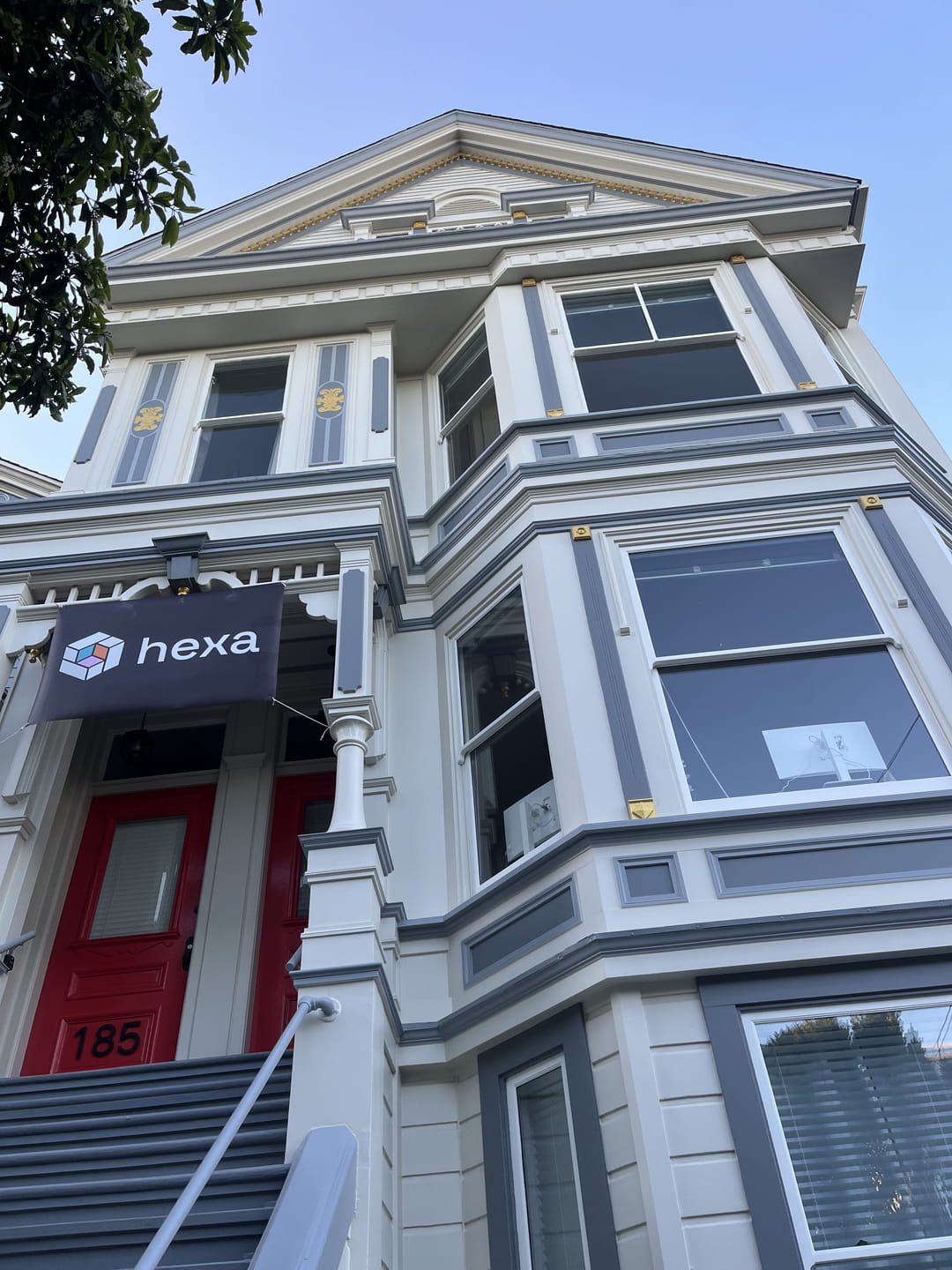
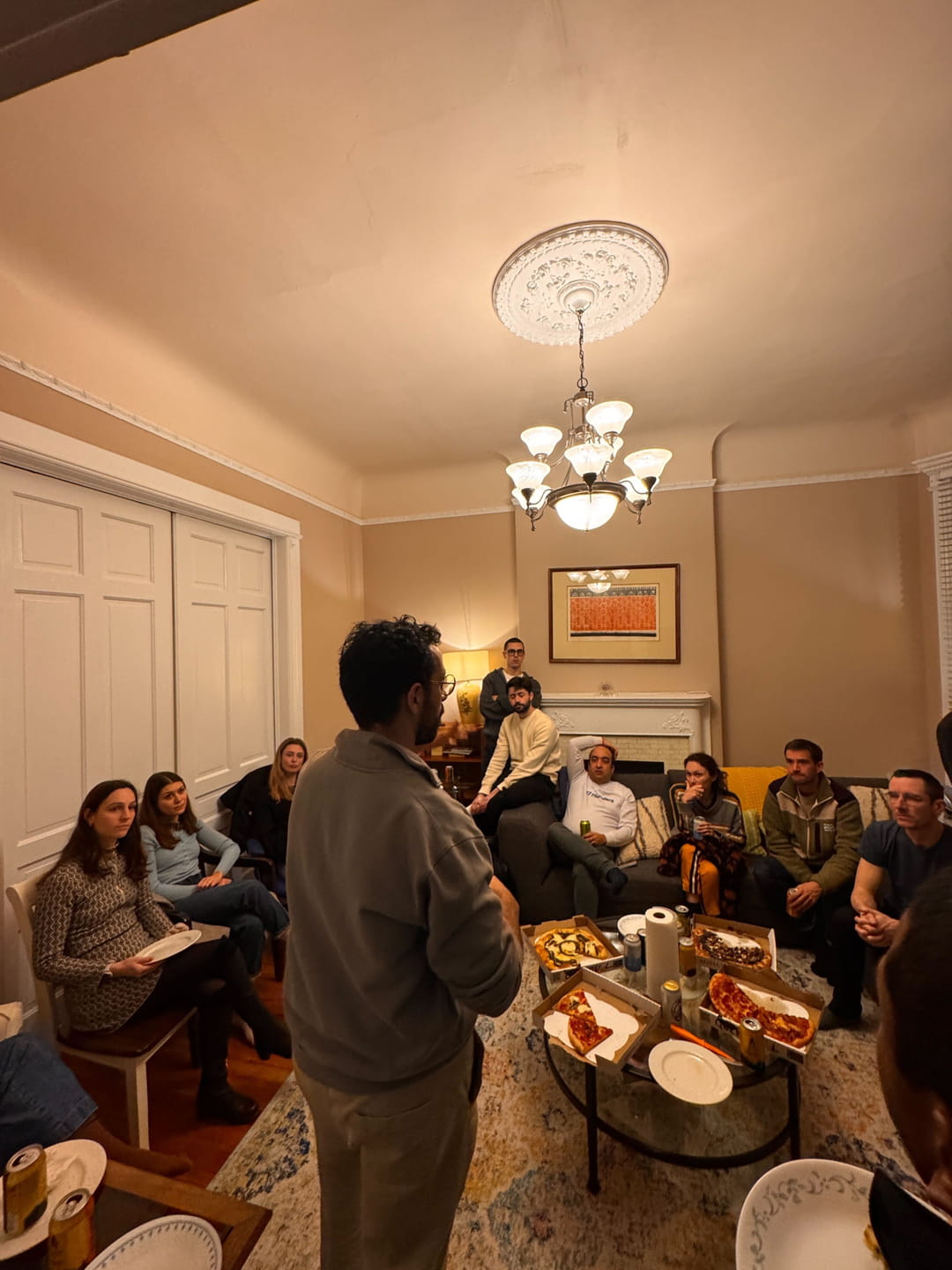
The house has nine rooms. There are between two and four start-ups permanently in the house, each occupying one or two rooms for a period of at least three months. A person from Hexa is also present full-time on site. The house is located in Cole Valley, a central neighborhood with a village feel that has several businesses including a bakery. It is not a place designed to receive customers but rather a place to live and work. For young start-ups in our “Hexa Start” program whose market is in the United States, this is a mandatory step. The house is financed by Hexa, with rent re-invoiced around $150 per day. Life on site is also punctuated by several collective highlights: a barbecue or roast chicken on Sunday, an entrepreneur from Silicon Valley invited every Tuesday evening to share his experience, and, once a month, a dinner between past Hexa champions present in San Francisco and the young founders based in the house.
What are the benefits for start-ups living in this house?
The objective is for them to raise funds in the United States, from American investors, where valuations are generally higher. Furthermore, to create companies with a global dimension, you have to compete with the best, and they are largely in Silicon Valley. To summarize, the objective is for them to benefit from the advantages of the American market: significant capital and intense competition. The house must be a launching pad to allow our start-ups to establish themselves permanently in San Francisco. I think it is more relevant to launch directly in the United States rather than developing first in Europe and then going to the American market.
So you are pushing your start-ups to become American companies, and no longer truly French?
No not at all. We are not attached to the country of incorporation of the company, which concerns above all legal and technical aspects. What makes the soul of a company are its founders, not the statutes or the location of the head office. This does not turn entrepreneurs into stateless people. They are always companies with European values. The objective is precisely to allow European entrepreneurs to create tech giants, so as not to depend solely on American companies.
What are the first returns from start-ups based in San Francisco?
The feedback is very positive. Start-ups appreciate having an easy way to project themselves into San Francisco. They highlight the energy of the city, the opportunity to meet other entrepreneurs as well as some of the best VCs in the world. They feel supported by this ecosystem and generally come back stronger, more ambitious and more seasoned. The level of competition pushes them to surpass themselves. They also appreciate everything that is organized around the house on a community level.