








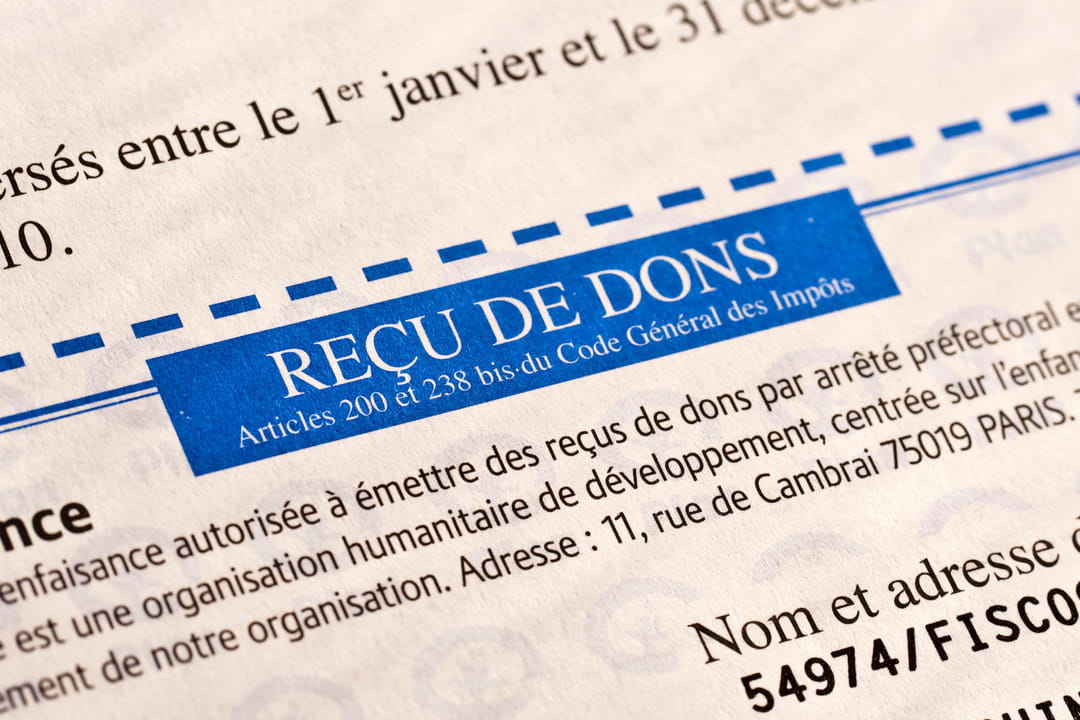
Taxpayers have received a tax return pre-filled by the tax authorities. However, they must fill in certain boxes themselves to receive the tax reduction to which they are entitled.
A helping hand for 41.5 million taxpayers. The Directorate General of Public Finances (DGFIP) has just posted its guide to filling out tax returns online. This 40-page document is intended to help tax households that must report to the tax authorities the income they received during the year 2025.
Admittedly, the tax authorities already know a significant portion of the income earned by taxpayers. This information then appears automatically on the pre-filled return. This is particularly the case for wages, retirement pensions, or benefits, the amounts of which are directly reported to the tax authorities by employers, pension funds, or agencies (such as the CAF) that disburse these funds.
However, the DGFIP does not know everything! Certain sections of the tax return are therefore not pre-filled by the tax authorities. Yet these are important because they often allow taxpayers to benefit from tax credits or deductions. These tax benefits are sometimes linked to expenses incurred by taxpayers between January 1 and December 31, 2025. Since the tax authorities are unaware of these amounts, it is up to taxpayers to report them.
This is the case, for example, with donations made by taxpayers. Millions of French people donate to various associations and organizations every year. However, the DGFIP does not know who donated what. Taxpayers must therefore report these donations themselves. However, depending on the causes to which the taxpayer made a donation, the amounts must be entered in different boxes.
Box 7UD is used to report donations made to organizations based in France that provide meals, shelter, or care to people in need, such as Restos du cœur, the Red Cross, Secours catholique, Secours populaire, or organizations assisting victims of domestic violence. For such a donation, the taxpayer is eligible for a tax deduction equal to 75% of the amount paid. Amounts paid from January 1 to October 13, 2025, must be entered in box 7UD, while those paid after October 14, 2025, must be entered in box 7UQ.
The 75% reduction applies up to a limit of 1,000 euros per year for donations made before October 14, 2025. For payments made on or after October 14, 2025, the limit is raised to 2,000 euros. Above these thresholds, the excess amount qualifies for a 66% tax reduction.
Box 7UF applies to public interest organizations and associations recognized as being of public utility (Fondation de France, Fondation du Patrimoine, Ligue contre le Cancer, Téléthon, Sidaction, etc.). The tax reduction corresponds to 66% of the amounts reported. This box is also used to report donations made to election candidates, up to a limit of 4,600 euros for a single election (municipal, presidential, etc.).
Donations to fund the restoration of religious buildings qualify for a 75% tax deduction, up to a limit of 1,000 euros, for a maximum deduction of 750 euros. This benefit is granted if the religious building(s) in question are located in a municipality with fewer than 10,000 inhabitants in metropolitan France or fewer than 20,000 inhabitants in overseas municipalities. They must be reported in box 7UJ.
Donations made to a political party are reported in box 7UH. Two limits apply: 7,500 euros per person per year, and 15,000 euros per year per tax household. The tax reduction is equal to 66% of the amount donated.
In most cases, organizations, associations, and political parties send a tax receipt to taxpayers who have made a donation. The DGFIP requires that these receipts be kept for 3 years in case of a tax audit.


