








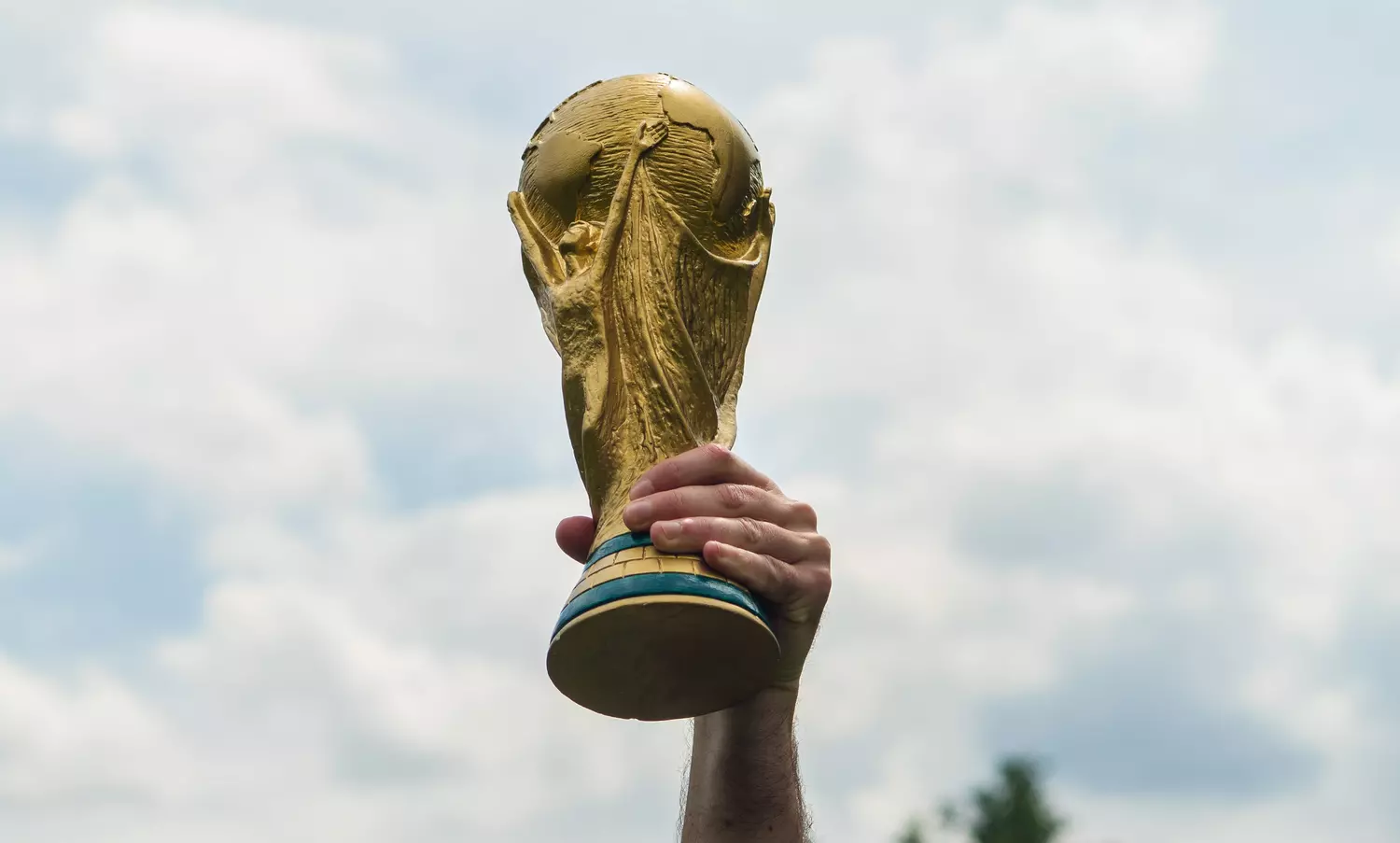
A jackpot for FIFA expected in an edition of all records and all excesses.
With the 2026 World Cup having barely kicked off on Thursday June 11, the International Federation of Association Football (FIFA) is shaping up to be the big winner of the edition. The body “hopes to recover nearly $9 billion, a historic record” from the tournament, via TV rights, sponsorships and “all monetization” around the event, according to sports economist Virgile Caillet, cited by France Télévisions.
This amount, which relates to the year 2026 alone, is part of a 2023-2026 cycle that FIFA estimates at around $13 billion, up by more than half compared to the 2022 World Cup in Qatar. The increase from 32 to 48 teams, and from 64 to 104 matches, broadens audiences and multiplies revenue from ticketing, marketing rights and hospitality, in a competition that Le Monde describes as that of “all records and all excesses”. The tripartite organization between the United States, Canada and Mexico, and the dispersion of sites, however, increase logistical costs and the environmental footprint.
A consumer economy organized around stadiums
Beyond rights and sponsors, the competition sets up an entire consumption economy. In the stadiums, where alcohol will be permitted, fast food and licensed products are at the heart of the system, with the American giants of the sector hoping for a peak in attendance. The prices charged are high: inside the final, “14 dollars for a beer, 13 dollars for a sandwich”, testifies a supporter to France 2, or “half the price of my ticket”.
The market for derivative products (jerseys, figurines, licensed items) is also among the recurring winners of the World Cup, driven by popular fervor. Monetization thus takes place on two fronts: in the stadiums, via high-priced catering, and outside the walls, via retail and licenses. “It will be the Business World Cup for sure,” sums up Virgile Caillet.


