








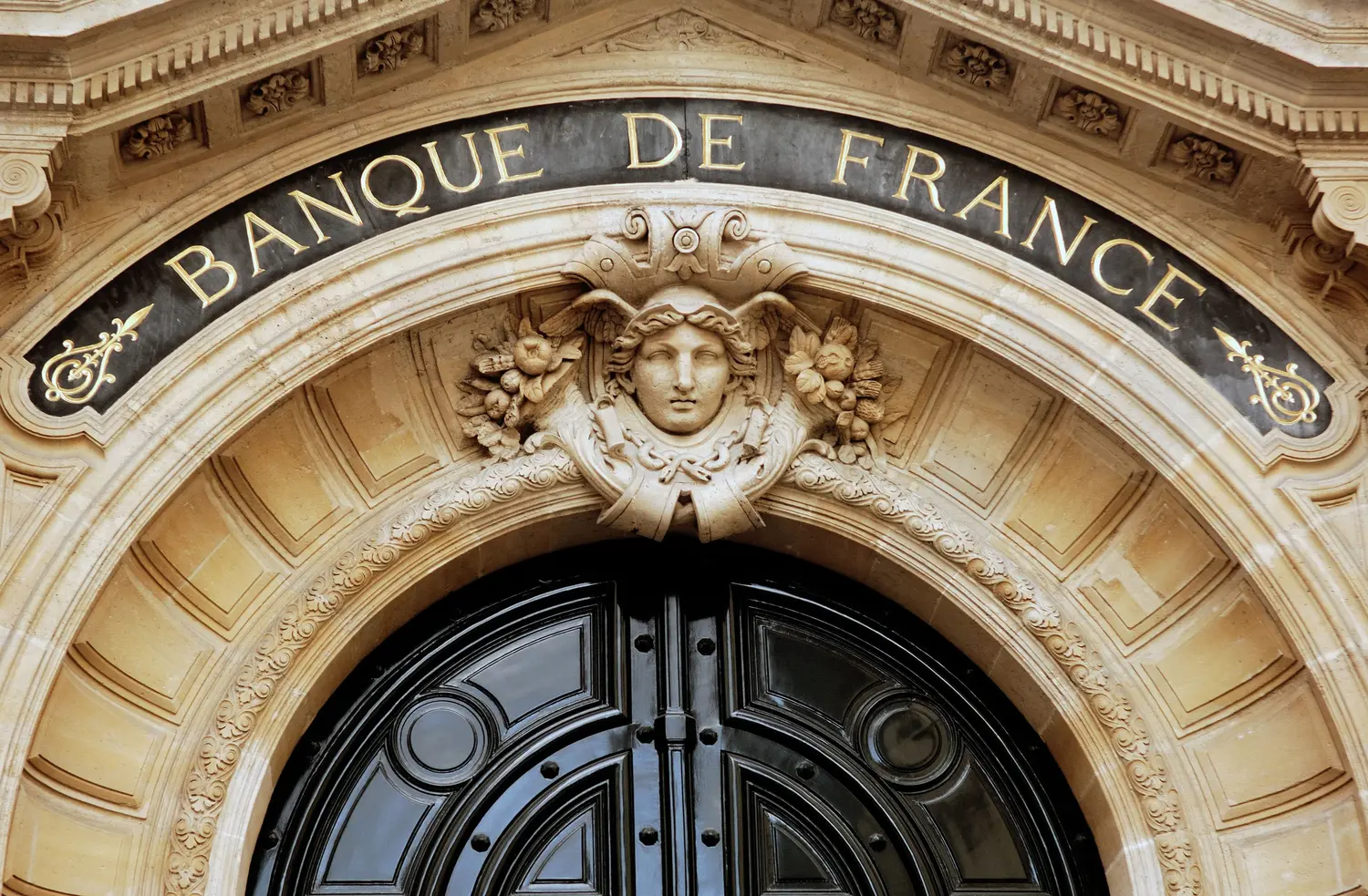
The institution warns of the rise of private credit and the vulnerability of financial markets, drawing parallels with the 2008 crisis.
The Bank of France drew a parallel this Wednesday between the place taken today by so-called “private” debt, because it is granted to companies by non-bank lenders, and that of subprimes shortly before 2008, responsible for the triggering of the last major financial crisis. “We are seeing ingredients reappear that make us think of the past crisis,” declared the second deputy governor of the Bank of France, Agnès Bénassy-Quéré, during the presentation of a report on financial stability.
Amounts comparable to those of subprimes
The amounts involved “are quite comparable, of the order of $1,500 billion for subprimes in 2006, or the same order of magnitude for private credit” today, she said. One difference, however: the economy having developed significantly in twenty years, the relative size of private credit is lower than that of subprimes, these mortgage loans then granted to modest households with little creditworthiness.
Private credit is “fairly opaque in terms of valuation”, noted Agnès Bénassy-Quéré, and presents difficulties in knowing exactly “who owns what”. In particular, the phenomenon of securitization, already accused of all the evils in 2008: it consists of grouping together loans to transform them into assets sold in “tranches” on the financial markets. These structured products transfer the risk of default from an initial lender to others, making it difficult to measure in balance sheets over successive resales.
“As it is not an organized market, we can have the same phenomenon of distrust that we experienced in 2008,” warned the deputy governor. The exposed institutions “are not very indebted”, she however clarified, unlike American real estate borrowers in the mid-2000s. Exposure remains a priori limited for French financial players, around 1% for insurers and less for banks, according to the Prudential Control and Resolution Authority (ACPR), backed by the Bank of France.
Markets under surveillance
The private credit market, which has been developing for around ten years, has been going through a period of distrust since the end of 2025, particularly in the United States, where investors fear an increase in default rates for companies specializing in software. “The growing exposure of private credit to the AI sector also makes this asset class vulnerable to a downward revision of revenue expectations for this sector,” adds the Banque de France in its report.
The institution also warned about the American equity markets, largely driven by a few technology stocks, which “remain vulnerable to a sudden reversal”. Finally, she notes the increasingly important place taken by alternative funds, or hedge funds, in the holding of French sovereign debt.


