








David Amiel defends public officials in the face of criticism of deficits and proposes an overhaul of the salary scale, while pointing out the weight of social spending.
The Minister of Action and Public Accounts, David Amiel, took a position on Sunday June 28 against the stigmatization of civil servants in the debate on the recovery of public finances, while the question of deficits remains at the heart of the news. He called for redirecting the debate towards social spending, believing that it is these, and not the number of civil servants, which weigh most heavily on the state budget.
Civil servants “scapegoats” for budgetary difficulties?
“I refuse to allow civil servants to be the scapegoats for our public finance difficulties,” declared David Amiel, emphasizing the need not to place the responsibility for public deficits on state agents. The minister insisted on the fact that “it is not the fault of civil servants. It is not (the) number of jobs in the State civil service which has increased public deficits in recent years”, referring to “the weight, on the contrary, of social expenditure”.
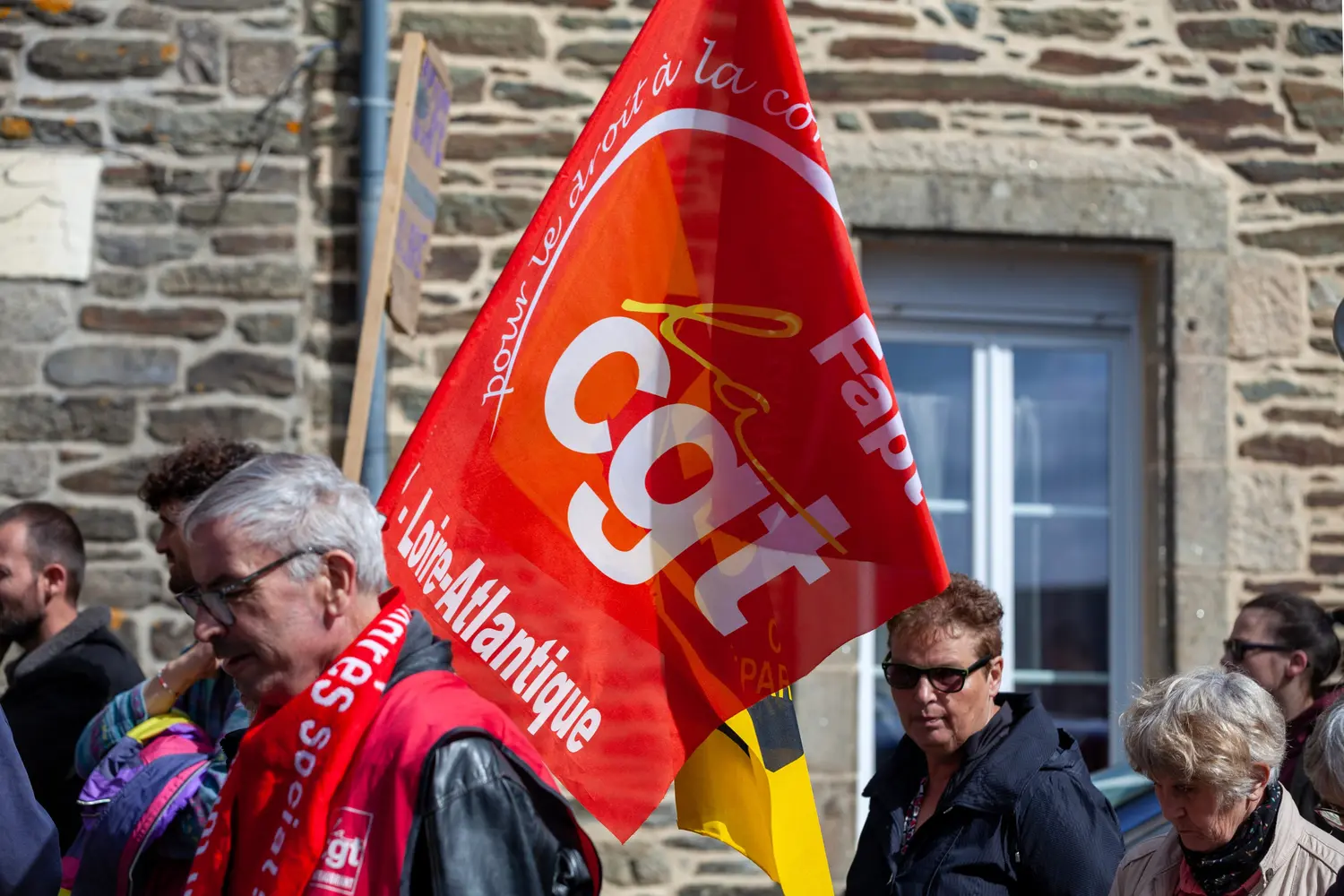
This position comes as seven trade union organizations representing the Civil Service (CGT, CFDT, UNSA, FSU, Solidaires, CFE-CGC and FA-FP) have called for a day of mobilization and demonstrations at the start of the school year, “including the prospect of a strike” on September 29, in the face of “the absence of an immediate salary response from the government”.
The minister thus refocused the debate on the structure of French public spending. The social security budget represents a major part of public finances, financing in particular health, retirement, family and unemployment. According to the latest figures available, the overall amount of French public revenue amounts to 1,501.6 billion euros (source: DG Trésor – INSEE, 2024).
The question of remuneration remains a major point of tension. The unions are demanding a “significant revaluation” of the value of the index point, frozen for three years, as well as the reestablishment of a bonus in favor of purchasing power suspended in 2024. They are also calling for an overhaul of the index scales to offer “real progression” in the career of agents.
David Amiel said he was in favor of an overhaul of the salary scale to offer “real career progression” to public officials. He recognized that “the major problem we have in the public service is this feeling that sometimes, and even often, efforts do not pay off enough”, adding that “promotions come too late, too slowly, do not go with an increase in remuneration”.
A meeting on public service pay is scheduled for July 6 between the government and the unions. The minister assured that social dialogue would continue, while recalling the constraints of a difficult budgetary context.
A social return under tension
David Amiel’s speech comes at a time when the public service is facing major union mobilization. Salary demands, the question of career attractiveness and recognition of the work of agents are at the heart of the discussions. The government, while seeking to control public spending, affirms that it does not want to make civil service numbers the main adjustment variable, preferring to initiate the work of reforming salary scales and pointing out the need for reflection on the weight of social spending.
In this context, the return to work promises to be tense, with a union mobilization planned for September 29 and salary negotiations which promise to be decisive for the future of dialogue between the State and its agents.


