








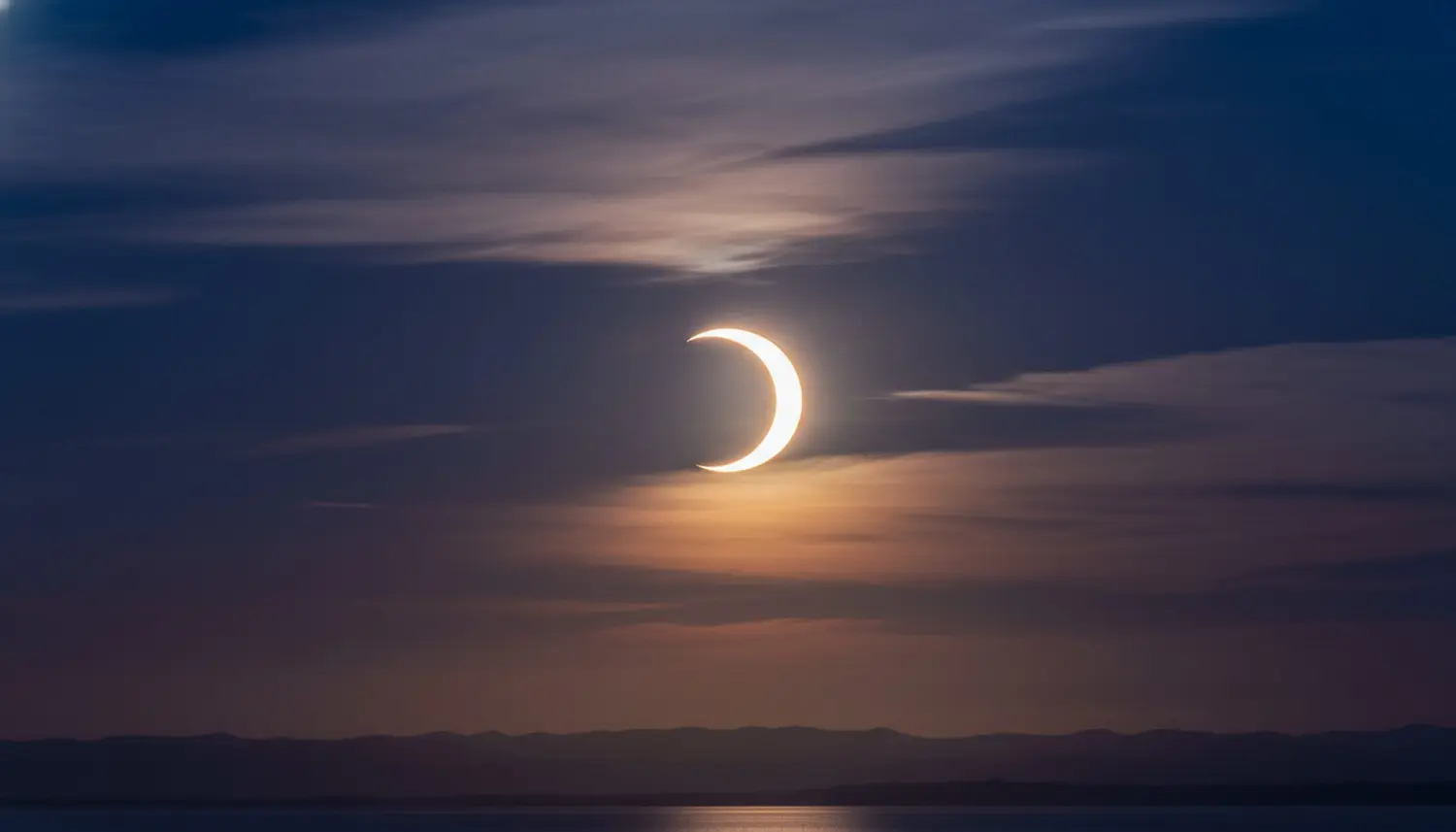
This is a night of observation not to be missed. In August, three events will meet in the sky.
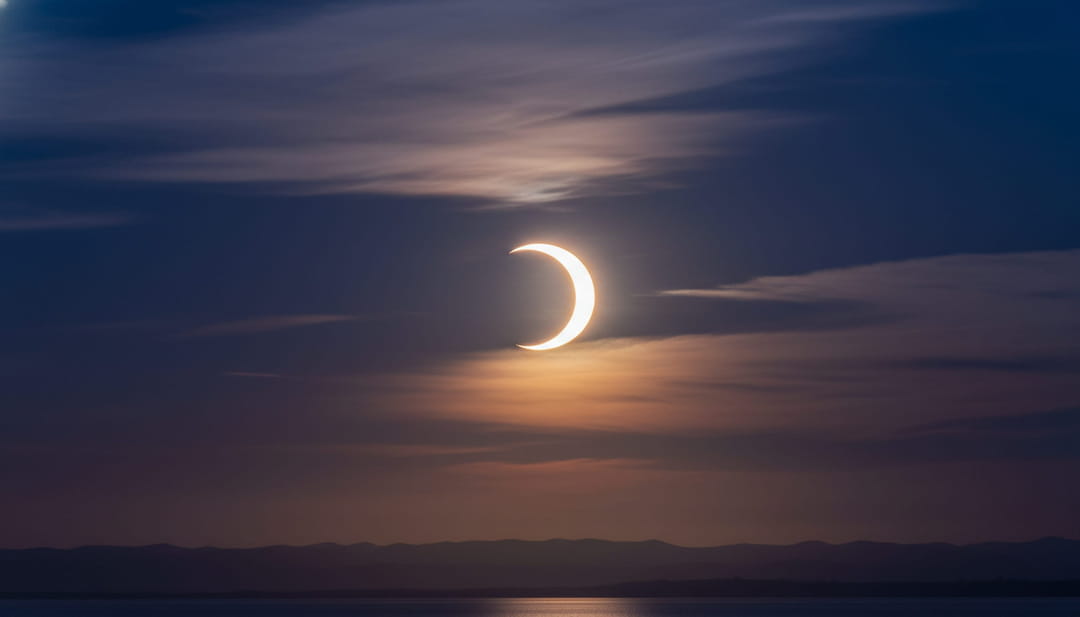
Prepare for a sleepless night. In less than a month, on August 12 exactly, several extraordinary cosmic events will reshape the sky. Starting with “one of the most anticipated astronomical events of the decade in Europe”, according to the Paris Observatory. Around 8 p.m., for a few minutes, the Moon will completely obscure the Sun during a spectacular eclipse.
Although it will not be possible to observe a total eclipse from France, the obscuration will nonetheless be significant (around 90%) over a large part of the metropolis. The closer we get to the Pyrenees and the Spanish border, the more impressive the spectacle will be, since in Spain the eclipse will be total, just like in Iceland and Greenland.
The fact remains that August 12, 2026 is a date to mark with a milestone in your diary. Because in addition to the solar eclipse, this day will mark the peak of the Perseids. One of the most intense showers of shooting stars of the year.
A Perseid peak “generally gives sixty to one hundred meteors per hour”, specifies the Cité de l’Espace. However, the cultural center adds that “this is an estimate for an ideal night sky in areas completely spared from light pollution (and in good weather of course). In practice, you will see less.”
On the other hand, to observe meteors, an event works in our favor. This shower of shooting stars falls at full new moon (moon phase which systematically accompanies a solar eclipse). There will therefore be no moonlight to parasitize the sky.
To crown this exceptional day, early risers will also be able to admire an alignment of six planets at dawn (Jupiter, Mercury, Mars, Uranus, Saturn and Neptune). This phenomenon will be visible thirty minutes to an hour before sunrise, details the specialist site StarWalk. The planets are aligned along a broad arc crossing the sky from east to southwest. Having a perfectly clear horizon will be essential to observe them.
Note that only Mars and Saturn, high in the sky, will be easily observable with the naked eye. Mercury and Jupiter, although theoretically visible to the naked eye, will be extremely low on the eastern horizon and risk being drowned out in the first light of dawn, making their observation very difficult. Finally, to observe Uranus, binoculars are necessary and to see Neptune, you will need to use a telescope.
This event will not be limited to the morning of August 12. Since the planets move slowly, the alignment will remain visible for several consecutive days. Enough to practice spotting their trajectory from August 9 and 10, before enjoying an equally striking spectacle on August 13 and 14.