








Washington is preparing a lasting extension of differentiated customs duties, after the partial annulment of previous measures by the Supreme Court.
The White House is expected to announce “soon” new surcharges targeting its main trading partners, based on the model of those which come into force on Wednesday against Brazil.
A new turn of the screw against Brazil
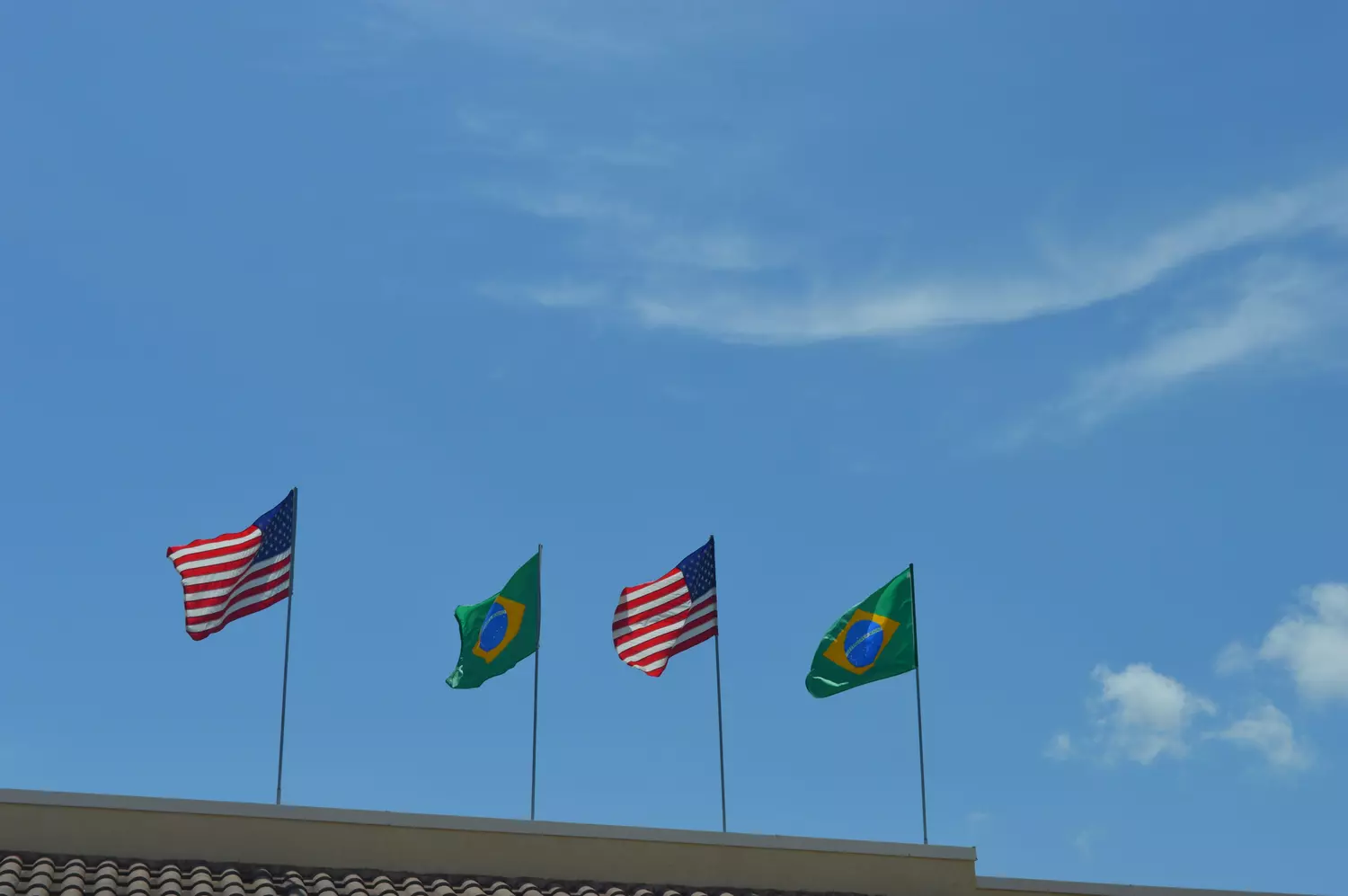
Since 12:01 a.m. this Wednesday, a series of Brazilian products are now taxed at an additional 25%, following an investigation into practices deemed “unreasonable” by Brasilia. According to various estimates, these new customs duties only concern around half of imports from the South American country, or around $11 billion. According to the White House Trade Representative (USTR), Jamieson Greer, these practices have particularly affected American trade by “reducing access to one of its main export markets”.
After Brazil, the United States intends to impose new customs duties on around sixty economies. Washington intends to justify them by relying on the conclusions of investigations launched by the USTR into certain commercial practices, whether “structural overcapacity” or breaches of the ban on forced labor. The American government wants these surcharges to take over from those which are due to expire on Friday. These temporary customs duties were Donald Trump’s emergency response after the Supreme Court invalidated those put in place last year.
At the beginning of June, the latter proposed, at the end of these investigations, to impose 12.5% on around 45 countries which, according to his services, had failed to introduce a ban on the importation of goods resulting from forced labor. For economies with such a ban, but whose efforts to enforce it are considered insufficient – Canada, Ecuador, the European Union (EU), Indonesia, Mexico and Pakistan – the Trump administration is proposing to impose a reduced rate of 10%. Ditto for the United Kingdom, whose ban is considered partial. Some of these economies, including the EU, are also targeted by the industrial overcapacity investigation.
Sectoral measures and exceptions
Sectoral customs duties are not affected, particularly targeting automobiles, steel, aluminum or copper. A few hours earlier, Donald Trump had announced the implementation of new customs duties of 100% on imported generic drugs, which will come into force from August 2028, this rate should then increase to 200% in 2029.
In addition to Brazil, the American government has already announced new customs duties targeting a certain number of Canadian products, “in response to Canada’s discriminatory treatment of American products.” This new surcharge, of an additional 50%, must come into force in one month. “It is a response to the retaliatory measures” taken by Ottawa after the first customs duties imposed by Washington in 2025: “we have been asking Canada for a year to withdraw them, to modify them, to adjust them,” Jamieson Greer justified on Tuesday.
Canadian Prime Minister Mark Carney responded that he intended to examine “all options”, assuring that “Canada (would) do what is necessary to support its workers, its jobs”. “We have agreed to intensify our negotiations in the next two weeks,” added Mark Carney, who does not plan, at this stage, to go to Washington. The two countries, as well as Mexico, are currently negotiating an evolution of the free trade agreement linking the three countries (CUSMA).
Legal context and timeline
At the end of February, the highest American court canceled a large part of the customs duties wanted by the American president. Donald Trump then announced the implementation of new customs duties, based on a text which only authorizes him to apply this surcharge for a maximum period of 150 days. At the same time, the USTR launched these investigations, which should allow Donald Trump to implement these surcharges in a lasting manner. “We should see movement soon,” although “I can’t specify the timetable,” Jamieson Greer said in an interview with CNBC on Tuesday.


