









A landlord can claim additional rent from his tenant even in a municipality that applies rent controls. The conditions are set by real estate law.
Millions of tenants in France benefit from rent control. What they have in common: they all live in a town classified as a “tense” or “very tense” zone. In short, where the demand for housing is greater than the supply. Rent control therefore imposes a ceiling on the change in rent that an owner can claim when renting a property, renewing a lease or changing tenant.
However, the list of municipalities affected by rent control has been growing for several years. Their number more than tripled between 2023 and 2024, from around 1,100 municipalities to 3,697. In 2025, around 200 additional municipalities were added to this category. In these municipalities, tenants looking for accommodation naturally expect to pay rent and utilities. They are therefore surprised to discover that they sometimes have to pay additional rent.
On social networks, testimonials from tenants are pouring in. “Every month, I pay 50 euros more than the amount set by the rent control system,” says Anaïs, an employee in the Paris suburbs. For their part, Elias and his wife, residents of Bordeaux, deplore having to pay an additional rent of 200 euros each month: “That represents 20% of our usual rent!”
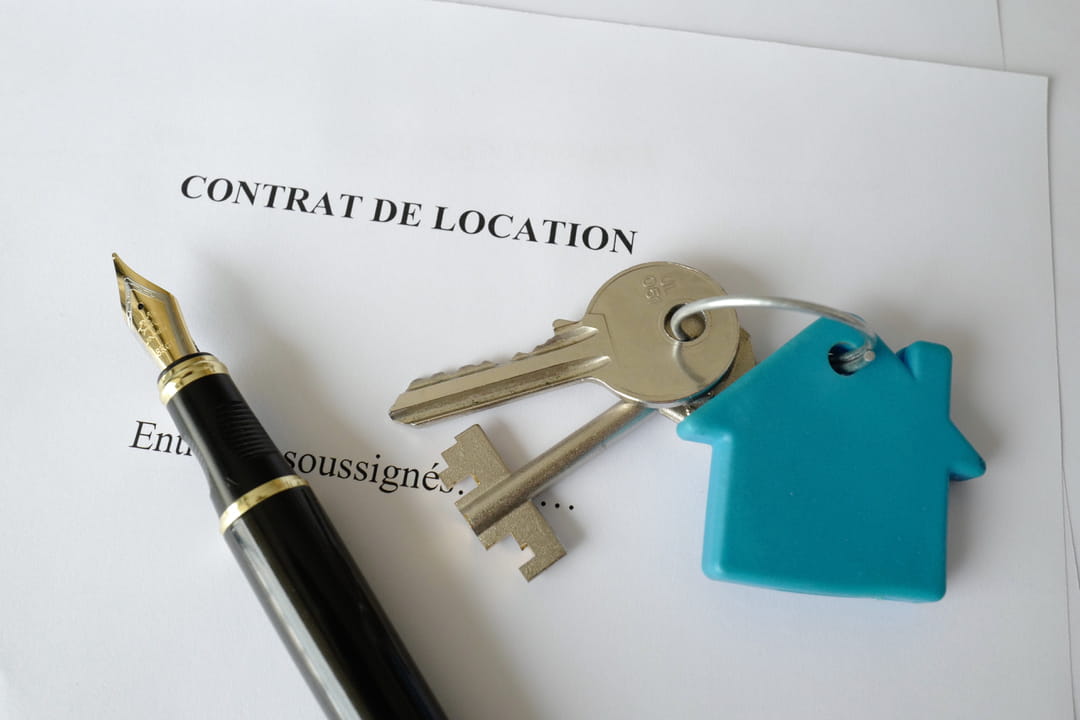
The rent supplement mechanism allows an owner to exceed the reference rent in force in the municipality, when rent controls apply. Landlords may require additional rent if the rental accommodation has exceptional characteristics compared to the rest of the neighborhood. “No official calculation exists to determine this amount which must be estimated in a reasonable manner based on the characteristics of the property,” warns the National Agency for Housing Information (ANIL).
A study conducted by PriceHubble in Paris in May 2025 reveals the extent of the phenomenon. Out of 290,000 ads analyzed, 2.5% explicitly mention additional rent, or around 7,500 ads. The median amount of the rent supplement is 178 euros per month, and 40% of advertisements indicating a supplement display an amount greater than 200 euros. This observation leads some tenants to say that their landlord is abusing the system: “A tenant was charged additional rent because the building in which he lives has an elevator, which is not legal,” recalls David Rodrigues, legal manager within the consumer association CLCV.
In fact, the rent supplement must be justified. To do this, the accommodation must have truly exceptional characteristics. Among the admissible criteria are an exceptional and direct view of a monument, a large terrace rare in the sector or a very high ceiling height. According to article 2-1 of the law of July 6, 1989, any rental advertisement must explicitly indicate the amount of the increased reference rent and the amount of the additional rent required. In the lease, the owner must precisely detail the characteristics that justify this supplement.
Conversely, certain criteria prevent an owner from introducing additional rent, even if the property also has advantages. No supplement can be applied when the accommodation shows signs of humidity on certain walls, a DPE rated F or G, an opposite less than 10 meters, or poor exposure of the main room.
A tenant has a period of 3 months from signing the lease to contest a rent supplement that he considers abusive. He can first try to find an amicable solution with his owner. In the event of refusal, he must contact the departmental conciliation commission to assert his rights.


