









After retirement age, seniors lose autonomy. Many retirees then call on home help services. But some retirees are no longer entitled to benefit from a special exemption and their bill will increase.
The decree was discreetly published on April 10, 2026 in the Official Journal. It will impact, sooner or later, most retirees who employ home help to carry out the small tasks of daily life. This concerns all retirees who hire someone to do their cleaning, ironing, cooking, gardening or administrative procedures.
Until now, seniors aged 70 or over benefited from a considerable advantage: as employers of home help, they benefited from an exemption from employer social security contributions. And this, regardless of their income. Concretely, a 67-year-old senior who hires a cleaning lady must pay employer contributions which are added to the amount he pays each month to his employee. Once the 70-year mark is reached, he can take advantage of the exemption and thus reduce his bill. This exemption is nevertheless capped, per month and per household, at 65 times the hourly minimum wage, i.e. 248.42 euros (paid leave included) or 225.88 euros (excluding paid leave).
However, with Decree No. 2026-261, the government pushed back the age limit allowing people to benefit from this advantage. And not just a little! Exemption from employer contributions for the employment of home help is now reserved for people aged 80 or over. For an employing couple, the age condition is met when one of the two spouses has reached 80 years of age. The decree specifies that this change applies retroactively to contributions due since January 1, 2026, including for periods already declared.
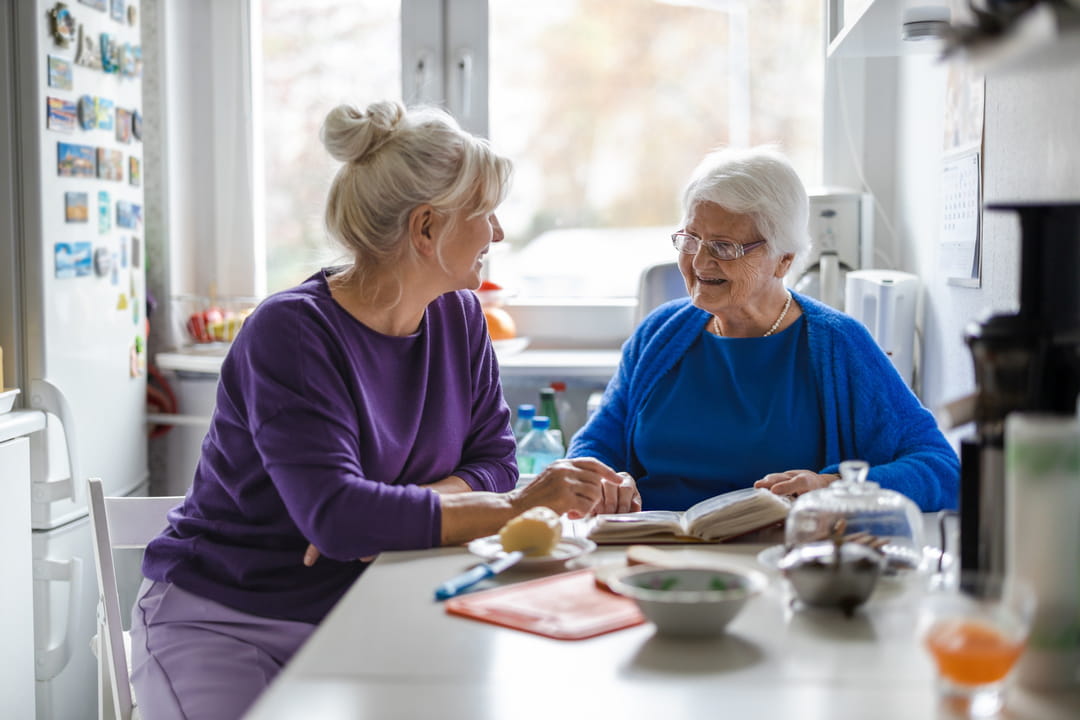
Expected result: “A saving of 100 million euros for public finances”, according to the Social Security department. On the other hand, it is seniors aged 70 to 80 who will have to assume additional costs that they did not expect. 9 professional organizations in the personal assistance sector, including FEPEM, FESP, Synerpa, Fedesap, UNA and ADMR, sent a letter to the government, in March 2026, to denounce a measure “out of step with the stated objectives of supporting the autonomy and keeping the elderly at home”, while the aging of the population is a major concern.
Julie L’Hotel Delhoume, president of the Federation of Private Employers of France (Fepem), fears an increase in the cost of employment of 15% for around 348,000 private employers. She fears that certain employers, faced with this additional cost, will decide to reduce the number of working hours of their home help, “which could lead to employees finding themselves with fewer hours, or even losing their job or switching to hidden work”, she warns. For its part, the Domia group (which notably owns the famous home help company Shiva) mentions “an additional cost of 2.50 to 3 euros per hour for the over 70s affected by this reform”.
Retirees who will retain their right to exemptions from employer contributions are therefore those aged 80 or over, as well as those recognized as fragile and benefiting as such from the personalized allowance for autonomy (APA) or the disability compensation benefit (PCH).
Despite the exemption from certain employer contributions, senior employers of home help remain liable for several contributions: supplementary pension, welfare and unemployment contributions, the national housing assistance fund (FNAL), the autonomy solidarity contribution (CSA), professional training, the contribution to social dialogue and work accident contributions, as well as all employee contributions.