








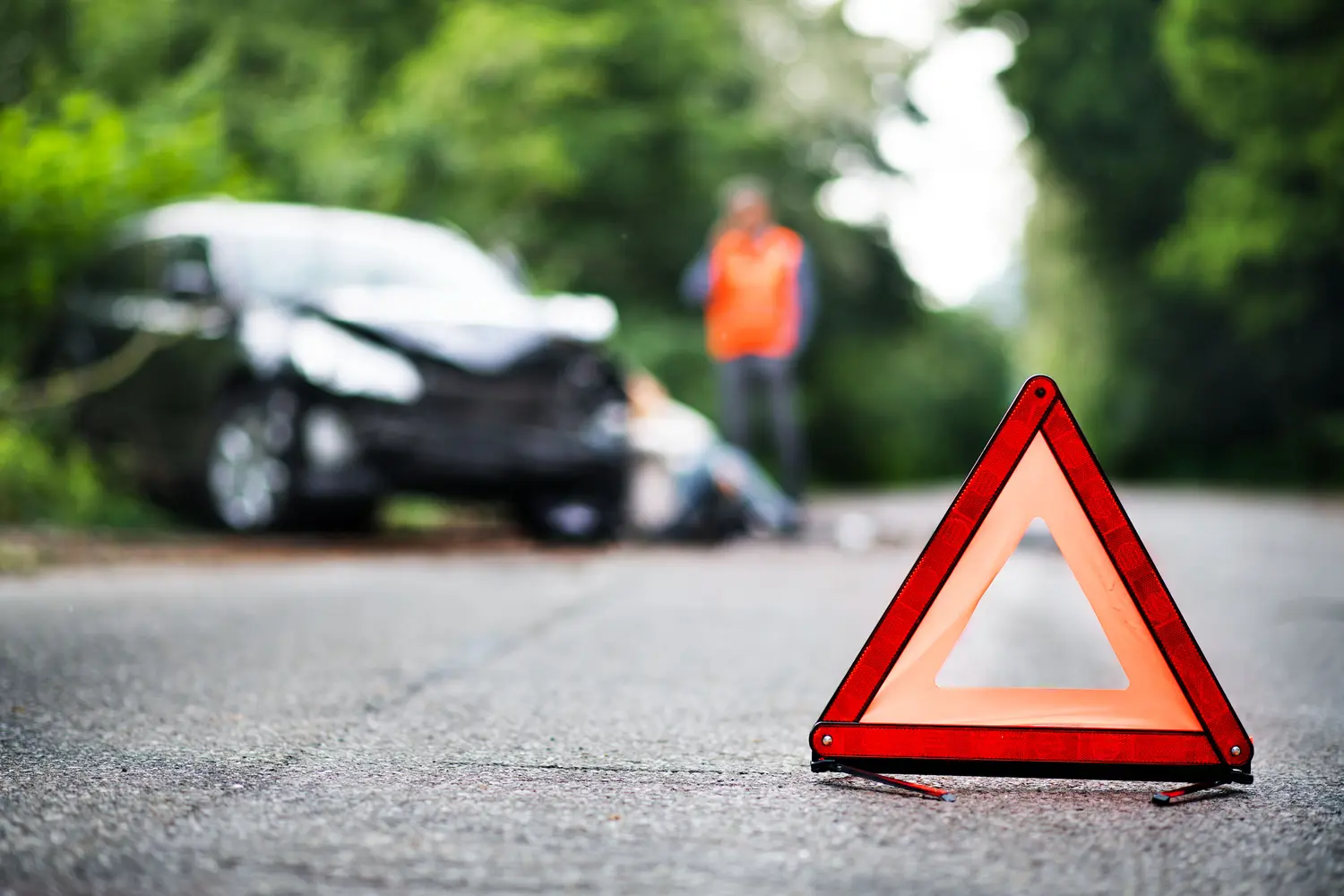
What if the bill for a collision you caused ended up being paid by your children? However, this is what a little-known rule of French law dictates.
Being responsible for a major collision on the road and having to pay for it is a burden for the driver and sometimes for their children. Because this is an aspect that seems unknown to the law: even on the road, the fines and compensation due can be integrated into the inheritance and fall on the shoulders of the heirs.
Let’s take a concrete example. In 2023, Mr. X is unfortunately the cause of a major collision, hits a driver and sends his car to the scrapyard. He owes tens of thousands of euros in damages to the victim, plus court costs and heavy fines.
If Mr. His heirs could therefore find themselves shouldering the burden. This situation nevertheless remains a rare case in practice, several lawyers explained to JDN, because all drivers are legally required to travel with civil liability insurance. In the event of an accident, it is generally the insurer who pays compensation to the victims. But certain situations escape this coverage.
Absence of insurance, insufficient guarantee, contractual exclusion or recourse from the insurer, uncovered deductible, unguaranteed damage, or even recourse from the Compulsory Insurance Guarantee Fund: in these cases, the debt remaining at the time of death can indeed join the estate.
At that time, the heirs must establish a complete assessment of what the deceased leaves. A real estate loan, a car loan, but also costs arising from a car accident make up what we call inheritance liabilities, or the debts of the deceased. According to the Official Bulletin of Public Finances, only debts existing on the day the succession is opened and sufficiently proven can be taken into account.
Faced with this situation, heirs have three options. They can accept the inheritance outright, thus assuming all debts. They can also renounce it entirely, and receive no property but owe nothing either. Finally, there is a third way: acceptance up to the net assets, regulated by the Civil Code. Concretely, the heir only pays the debts of the deceased up to what he actually received.
Furthermore, these rules apply just as much to a collision in a car as to an accident with an electric scooter. And Road Safety makes it a point of honor to make this known. During a scooter accident, “bodily and material damage caused to others also remains entirely the responsibility of the driver, or even his heirs”, in the event of an accident without insurance.
It is little known, but insurance is compulsory for all motorized personal travel devices: scooters, monowheels, self-balancing scooters or hoverboards (EDPM). However, in 2024, 59% of EDPM drivers involved in an accident were not insured, according to the provisional report from the National Interministerial Road Safety Observatory.


