







While the Netflix documentary arouses enthusiasm, what does labor law say about the right to strike of French team footballers?
Sixteen years and a second star on the jersey later, the trauma remains intact. On June 20, 2010, in the middle of the Football World Cup in South Africa, the Blues refused to go to training and remained on the bus. The reason? Their desire to show solidarity with Nicolas Anelka, excluded from the selection the day before after an altercation with coach Raymond Domenech.
Arriving at the training grounds, the Blues sign a few autographs with the supporters present then climb on the bus. What follows is a “strike statement” from the players read to the media by the coach. It is precisely here that the matter becomes interesting because the right to strike is provided for very precisely by the Labor Code, through 6 articles each developing an aspect of the law. But is there a line or paragraph that talks about the players of the French football team?
The answer is no. The legislator did not foresee the possibility that nationally selected athletes could go on strike. Not surprisingly, the situation is extremely rare. The question then arises: was it really a strike? On his blog Jurisportiva, sports law lawyer Laurent Fellous questions this subject, pointing out numerous problems with the legal qualification of this bad memory of French sport.
“Let us recall the obvious that many forget: on January 22, 2009, the Court of Cassation ruled that the Federation “does not exercise any power of direction, control and sanction with regard to players called up to the French team” characteristic of a relationship of subordination,” writes the lawyer in the article published on his blog. First problem raised, the players are not employed by the federation but by their respective clubs. Footballers are only made available for selection by the clubs with which they are under contract.
However, the selection is a “salary mission” according to article 12.12 of the National Collective Agreement for Sport. The right to strike could therefore be completely transposable for international players. “On the other side of the scene, the General Regulations of the French Football Federation always provide, against the club and the player who refuses a summons, sanctions which can go as far as the suspension of the effects of the employment contract and the withdrawal of the license”, underlines the lawyer in his article.
This possibility of sanction is in opposition to the very principle of the right to strike. “Its exercise cannot give rise to any discriminatory measure as mentioned in article L.1132-2, in particular in terms of remuneration and social benefits”, provides the Labor Code. However, several players were suspended for several matches following the strike. Which is unthinkable for an employee who would exercise his right to strike in the private sector.
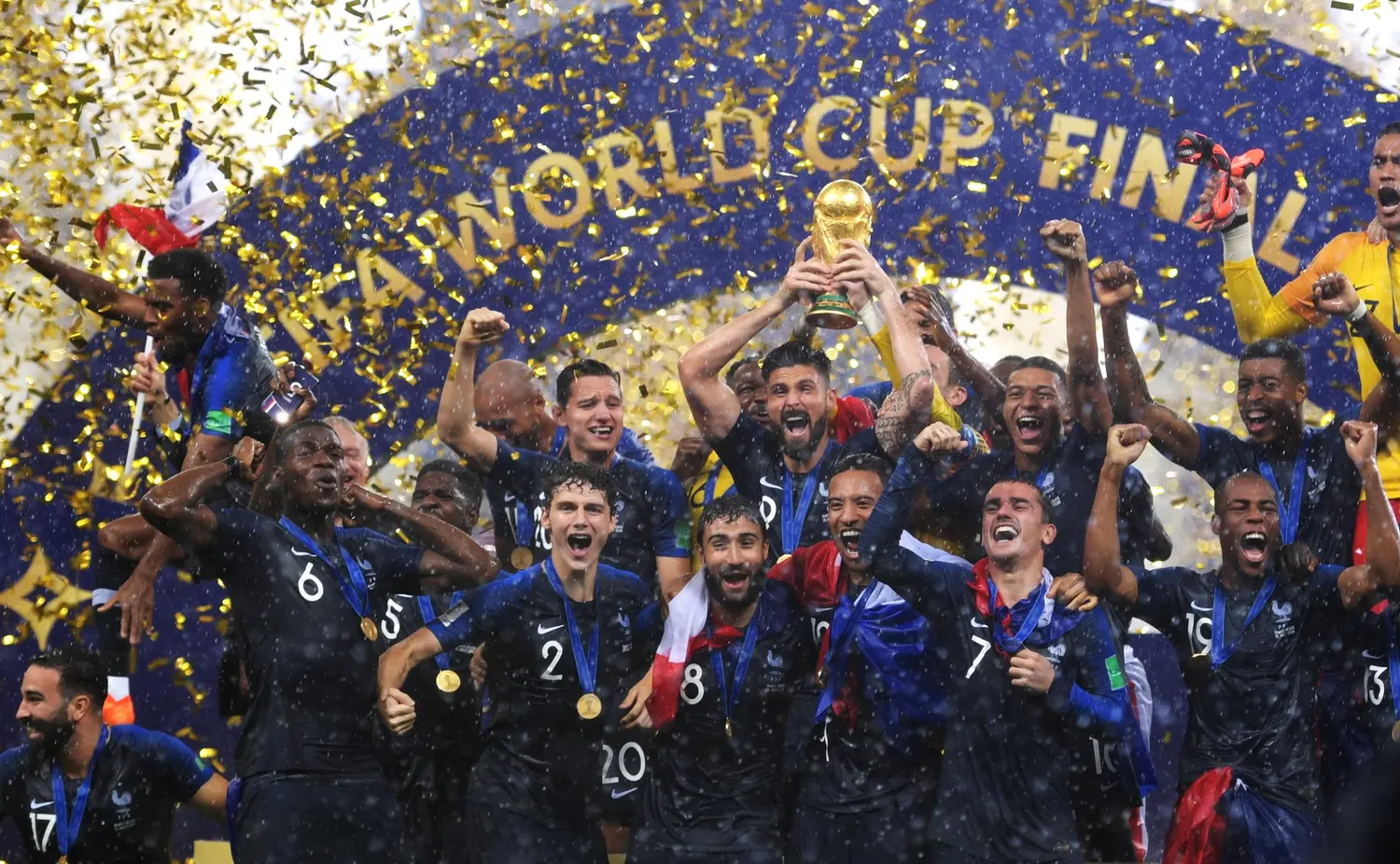
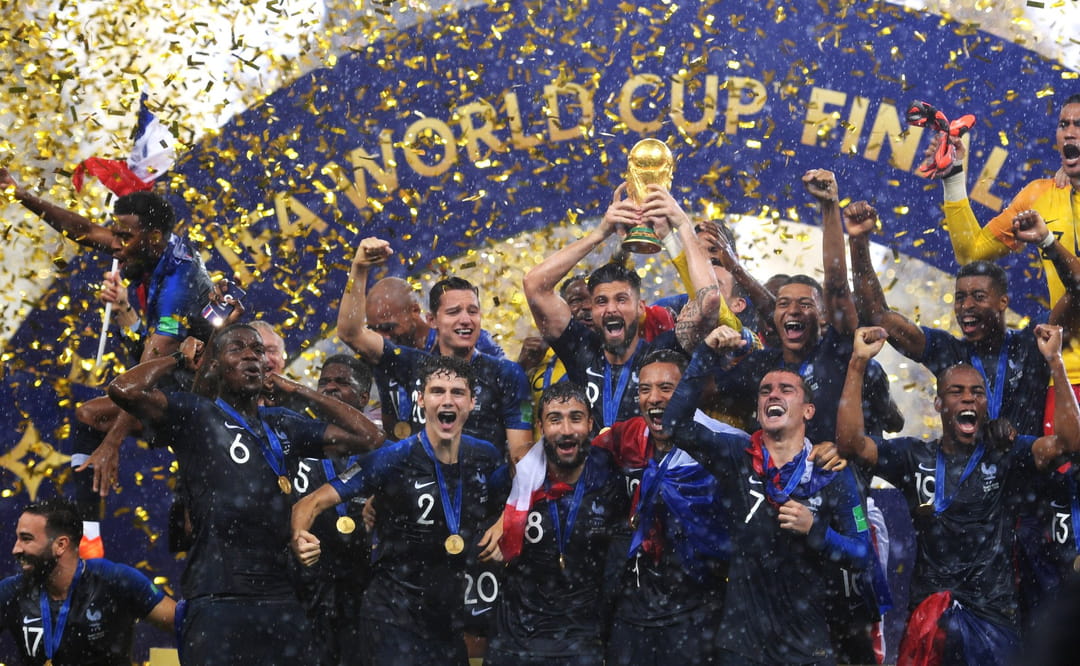
Even today, the right to strike of international footballers remains a gray area which the law has not taken control of. “If the Republic intends to retain, at the top of the normative pyramid, the constitutional right to strike, including for its employed athletes, then the federations must negotiate in the Collective Agreement as well as in the General Regulations, a real regime of collective cessation of activity in selection: notice, admissible reasons, scope of admissible sanctions, avenues of appeal”, concludes Laurent Fellous. In the meantime, let’s hope that the Blues of 2026 will be more inspired by their predecessors of 2018 than by those of 2010.