








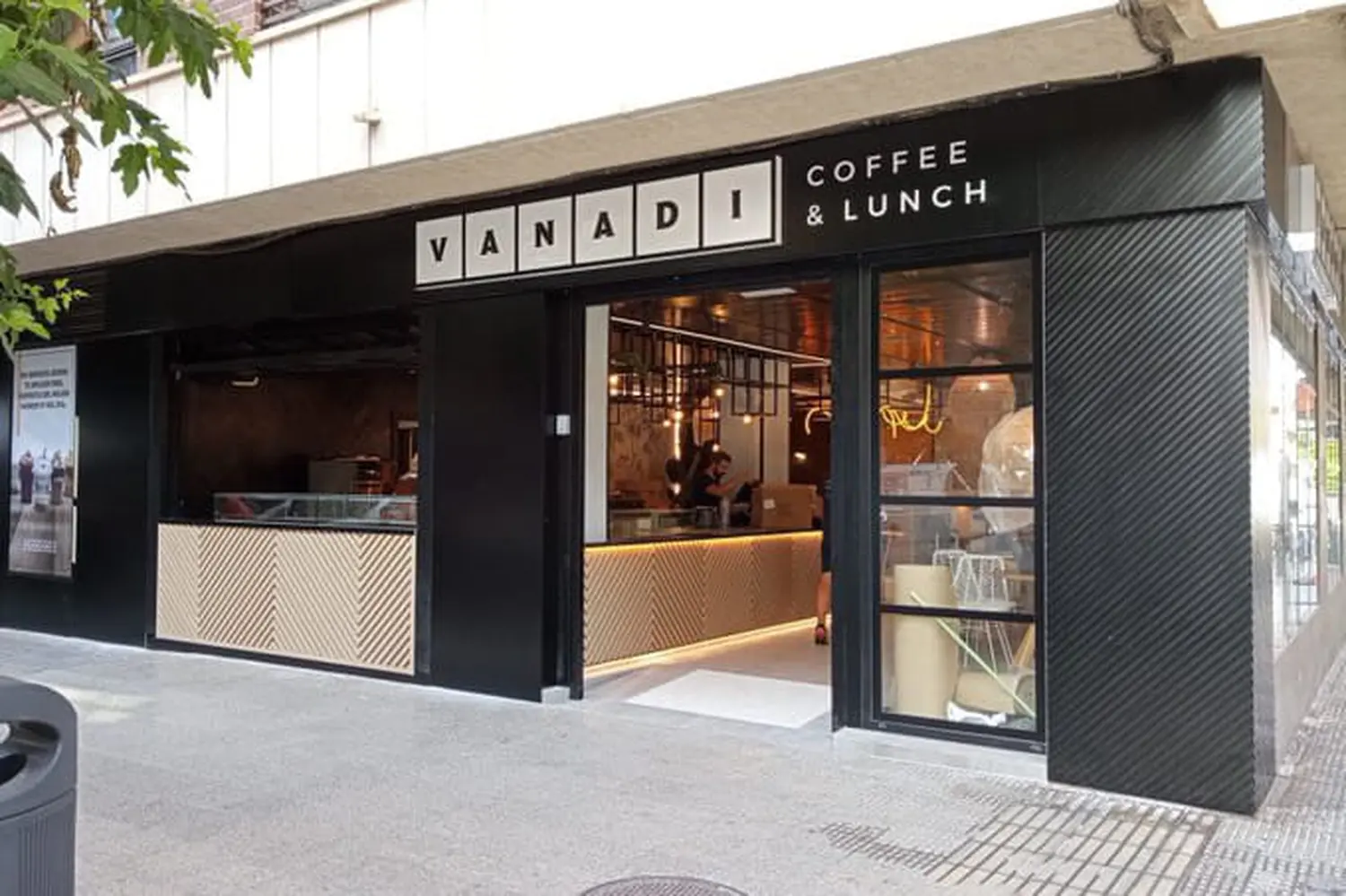
Born on the streets of Alicante with the ambition of becoming the Spanish Starbucks, Vanadi bet everything on bitcoin. A gamble that could cost him dearly.
June 2022. In Avenue Maisonnave, a shopping street in the heart of Alicante, a man enjoys his first coffee. This man is Salvador Martí, an Alicante entrepreneur with multiple hats: founder of FacePhi, a technological company specializing in facial recognition, and president of Intercity, the first Spanish football club to be listed on the stock exchange. That day, he inaugurated a new chapter in his life: Vanadi Coffee & Lunch, his chain of cafeterias.
The project is ambitious. Salvador Martí doesn’t just want to open a few cafes. He wants to create the Spanish Starbucks. Four establishments open simultaneously in Alicante. The plan is clear: 30 cafes in Alicante by the end of the year, then expansion to Valencia, Madrid, and beyond.
The offer is intended to be modern and accessible: fine coffees, healthy products, ordering via mobile application, artisanal bakery… To manage the gastronomic proposition, the brand is even recruiting Carmen González, operations director from the prestigious Madrid restaurant Zalacaín. Everything seems to come together for the dream to take shape.
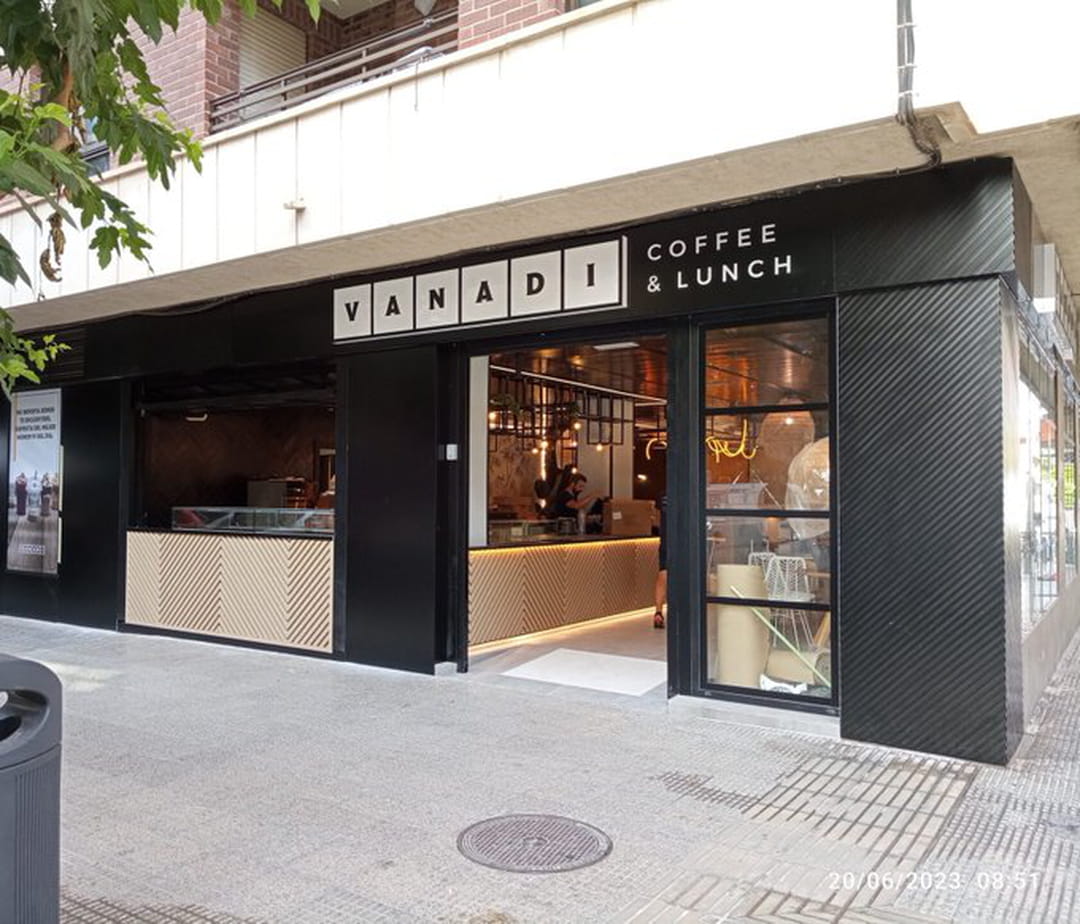
A year later, in July 2023, Vanadi Coffee goes public on the BME Growth market, aimed at Spanish SMEs. The IPO price is set at 3.28 euros per share. The enthusiasm is there, and so are the promises. But the reality on the ground is very different. The openings are happening much more slowly than expected. In 2024, the company is drastically lowering its forecasts: it now hopes to end 2025 with only 9 cafes open, compared to the 27 initially announced. For 2026, the target is reduced to 15 establishments, far from the 41 projected a year earlier. Financially, the results were disappointing, its share price gradually collapsed and lost 99% of its value.
In the spring of 2025. Vanadi announces a decision that will change everything. The coffee chain is gradually abandoning its core business to convert to bitcoin. The company even changed its name: it became Vanadi Treasury. Vanadi announces that he wants to invest up to 1 billion euros in bitcoins. Two funds are investing in the project to the tune of 50 million euros each. The announcement had an immediate effect: the share price jumped 54.5% in a few days, even reaching +150% at its peak. The enthusiasm around the word “bitcoin” is having an effect.
This is where the shipwreck begins. Apart from the sale of coffee, Vanadi Treasury generates no income: a buyer of cryptocurrencies accumulates assets but does not sell anything. However, the company does not have the means to purchase bitcoins with its own funds. To find this money, Vanadi borrows money in exchange for new shares cheaper than on the markets. The problem ? By constantly issuing new shares, Vanadi dilutes its existing shareholders and puts downward pressure on its own share price. When the price falls, you have to issue even more shares to raise the same amount. Which further lowers the price. And so on. Financial experts have a name for this mechanism: the death spiral. A company survives on toxic loans and destroys its own value to pay off its debts.
Today, of the 213 bitcoins that Vanadi owns in total, 130 are blocked as security for a loan from the Bit2Me platform. In other words, 61% of its cryptocurrencies no longer really belong to it. And to ensure its survival, it says it needs an additional 65 million euros in the next 12 months. At this stage, selling coffees will not be enough.


