








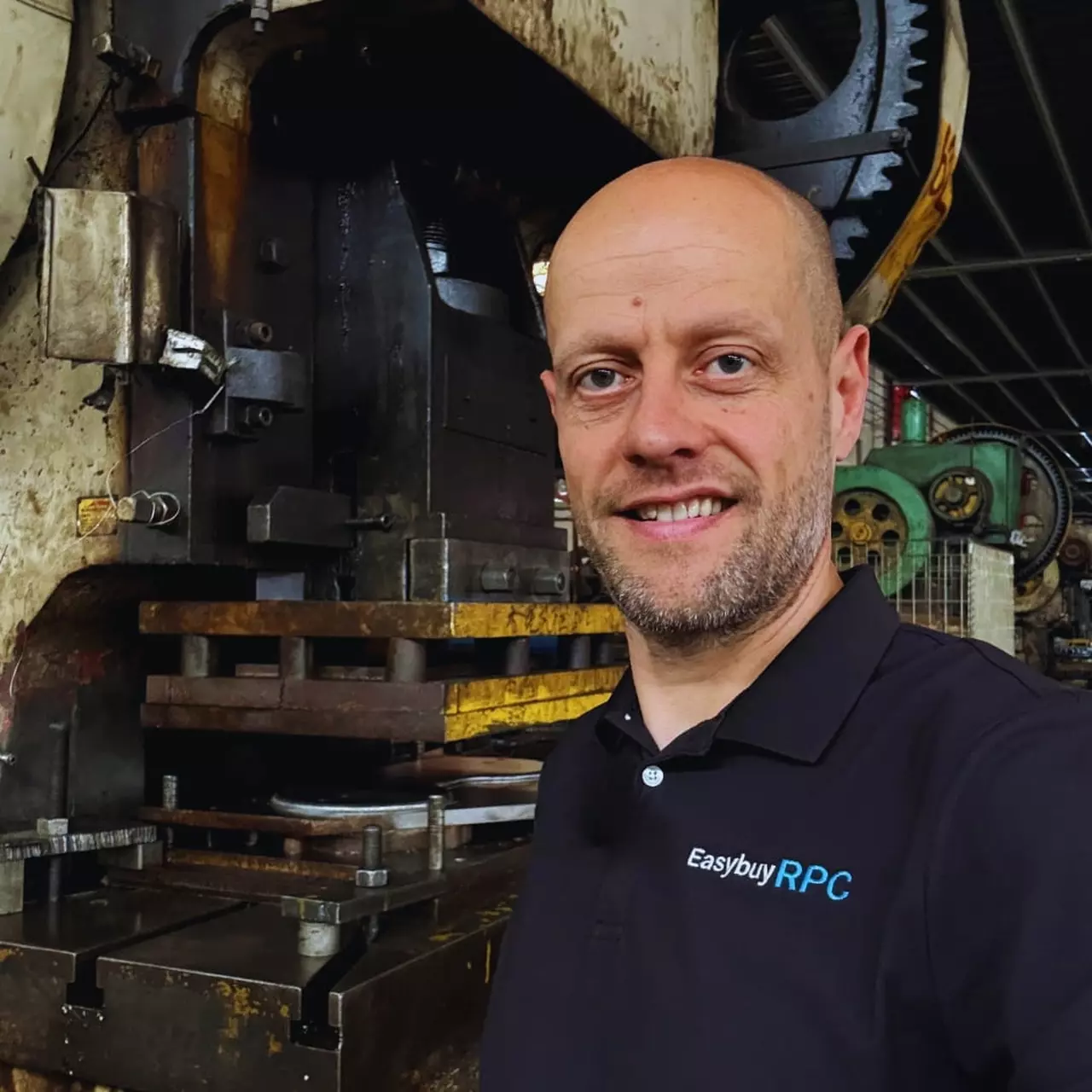
After 11 years in Chinese factories, I have seen projects blocked for six months for a reason that no one suspects: a simple misunderstanding never named.
When a project remains blocked for months with a Chinese factory, the French manager often thinks the same thing: they resist me, they try to lead me along, they don’t play the game.
This is rarely the truth.
Most of the time the factory didn’t understand exactly what was required. And she never said it.
I recently supported a French industrialist who had been stuck on a project for six months. The product was clear in his mind. Exchanges with the factory had been going around in circles from the start. Each week restarted the previous one, without ever moving forward.
The client was convinced they were dealing with a supplier who did not want to do the work.
The reality was elsewhere.
What the customer believed
From his office, the client saw a technical blockage coupled with bad will.
He sent his requests. The factory replied that it was not possible, or not like that. The client rephrased. The factory returned another technical objection. And the cycle began again.
The client spoke in the language of design : this shape, this angle, this rendering. The factory responded in manufacturing language: mold, feasibility, machining constraints.
The two spoke from the same room without ever understanding each other.
Eventually, the customer drew the most natural conclusion: this factory doesn’t know how to do it, or doesn’t want to. He started looking for another supplier.
He had the wrong problem.
What was really happening
On site, by speaking directly with the workshop, the real blockage appeared within a few minutes.
The factory never understood precisely what the customer was trying to achieve. Not in broad outline, but in the detail that changes everything. What the client considered obvious was not at all obvious on the other side.
And instead of asking the question, the factory did what many Chinese factories do in this situation: it avoided saying “I’m not sure what you want.” Because to admit it is to risk appearing incompetent, or losing face. So she sent back technical objections, which seemed credible but which were not the real subject.
The misunderstanding was not technical. It was in the request itself, never actually aligned between the two parties.
Nobody was lying. Nobody was sabotaging. But no one had checked, The sourcewhat the factory really understood.
What unlocked the project
Once the real problem was identified, the solution was no longer technical.
It was not a question of translating from French to Mandarin. It was about translating the intention.
Have the factory say, concretely, what it understood about the request. Make it clear to the client what he really wanted to obtain, in detail. Place the two versions side by side. The gap appeared immediately, and it was huge.
From there, the project progressed into a conversation. Not because we had resolved a manufacturing difficulty, but because, for the first time in six months, the two parties were finally talking about the same thing.
Six months of blocking. Settled as soon as the real request has been made clearly on both sides.
The real obstacle is almost never what we think
This case is not isolated. It is representative of a mechanism that I see all the time.
When a Chinese factory blocks, the French industrialist assumes resistance, incompetence or bad faith. He starts again with technical exchanges, plans, reminders. And he misses the real cause, which is often a simple misunderstanding that no one has dared to name.
In a previous column, I explained that the Chinese supplier does not necessarily lie, he advances according to his own priorities when no one is watching. It’s the same logic here. When the factory blocks, it doesn’t lie either. She just didn’t understand what you wanted, and she won’t say it spontaneously.
This is where a field presence changes everything. Not to explain manufacturing to the French industrialist, who knows it better than anyone.
But to go and check, on site, what the factory really understood about the demand.
Because as long as no one does it, the project won’t move forward. And everyone remains convinced that it is the other who poses the problem.
Nicolas Allard, founder of EasybuyRPC and field agent in China for 11 years, has been supporting French, Belgian and Swiss SMEs in their import operations.


