








Sourcing from China does not mean betraying Made in France. Sometimes that’s what saves him. What 11 years in the field taught me about this heartbreak.
What a boss attached to the Made in France
“By talking to you, I feel like I’m betraying my values.”
This sentence came out during a call. This leader believes in it deeply. He speaks of it with pride. And at a time when he was considering sourcing part of his production in Chinahe let go, almost in a whisper.
I’m not here to judge him. I listened to him.
Because I hear this phrase often, in different forms. Leaders who believe in French production and who look towards China with a feeling of guilt. As if they were betraying something.
This feeling deserves attention. Not to sweep it away. To understand it, and perhaps to correct it.
The heartbreak is real
Let’s start by not minimizing anything.
This conflict is true. Many leaders of SMEs industrial companies live it in silence. They are committed to manufacturing in France. It is a source of pride, sometimes a family affair, often a deep conviction about employment and the territory.
And opposite, there is the reality of the costs. A competitor who cuts prices because he produces elsewhere. A margin that is melting. A market that does not follow when we pass on the true price of everything French.
So they look to China. And they experience it badly. They feel like they are denying what they believe in.
I’m not going to tell them that feeling is ridiculous. He is not. He is even honorable. It is simply based on a definitional error.
But betray is the wrong word
This is what I see on the ground, after eleven years.
SMEs which source part of their production in China are often those which maintain the rest in France. A design office. An assembly workshop. A brand. Jobs. A know-how.
This reduction in the costs of one part of the chain is sometimes exactly what allows them to keep the other part on French soil.
Take that breath away, and many don’t survive. The company closes. And there, there is nothing French left at all. Neither the workshop, nor the design office, nor the jobs, nor the brand.
Choosing China for part of the production does not always mean abandoning Made in France. Sometimes that’s what saves him.
The leader who blames himself believes that he is betraying. In reality, he makes the difficult calculation which keeps his business alive, and therefore which maintains what is French in it.
Real Made in France never meant 100% French
This is the heart of the matter.
Made in France has never meant that each component was born on French soil. It would be impossible, and it always has been. THE raw materialselectronic components, certain technical parts have been coming from elsewhere for decades. Including in products that we consider to be French flagships.
What gives the French value of a product is not the origin of each screw. It’s the know-how. The design. Assembly. Quality control. The requirement. Product intelligence.
Sourcing part of it in China, and manufacturing, assembling or finishing in France with local know-how, this is not a shameful chain. It’s a smart channel.
The real question is not where the matter comes from. It’s knowing where the intelligence of the product lies. And this intelligence can remain profoundly French even when some of the components cross the world.
Keeping your values alive
I come back to this pattern.
He does not betray his values. He makes the difficult choice that allows him to keep them alive. It’s very different.
The subject is not China versus France. It’s not one side against the other. It is the survival of a company against an ideal that we would like to be pure, but which the market no longer allows to be maintained as is.
Those who last are not those who choose sides. These are the ones who understood that we can do both. Sourcing intelligently where necessary, and concentrating in France what provides real value.
I like Made in France. I buy them whenever I can. And I learned to respect the way of doing business in China. These two things do not contradict each other. They complement each other, when we think of them together rather than opposing them.
This leader did not have to apologize on the phone. He had to build the right channel. The one who keeps her values alive instead of burying them with her business.
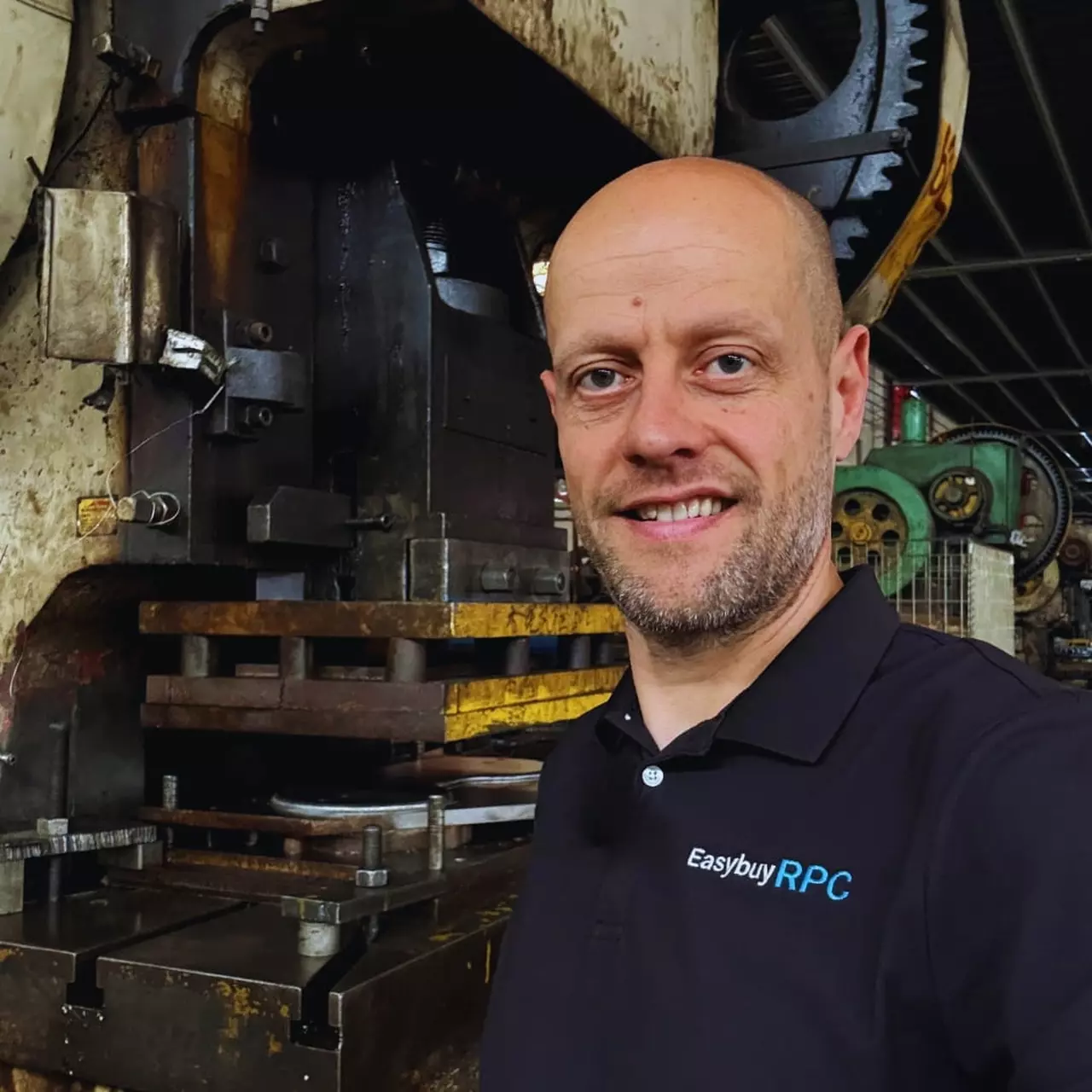
Nicolas Allard, founder of EasybuyRPC and field agent in China for 11 years, supports French, Belgian and Swiss SMEs in their import operations.


