








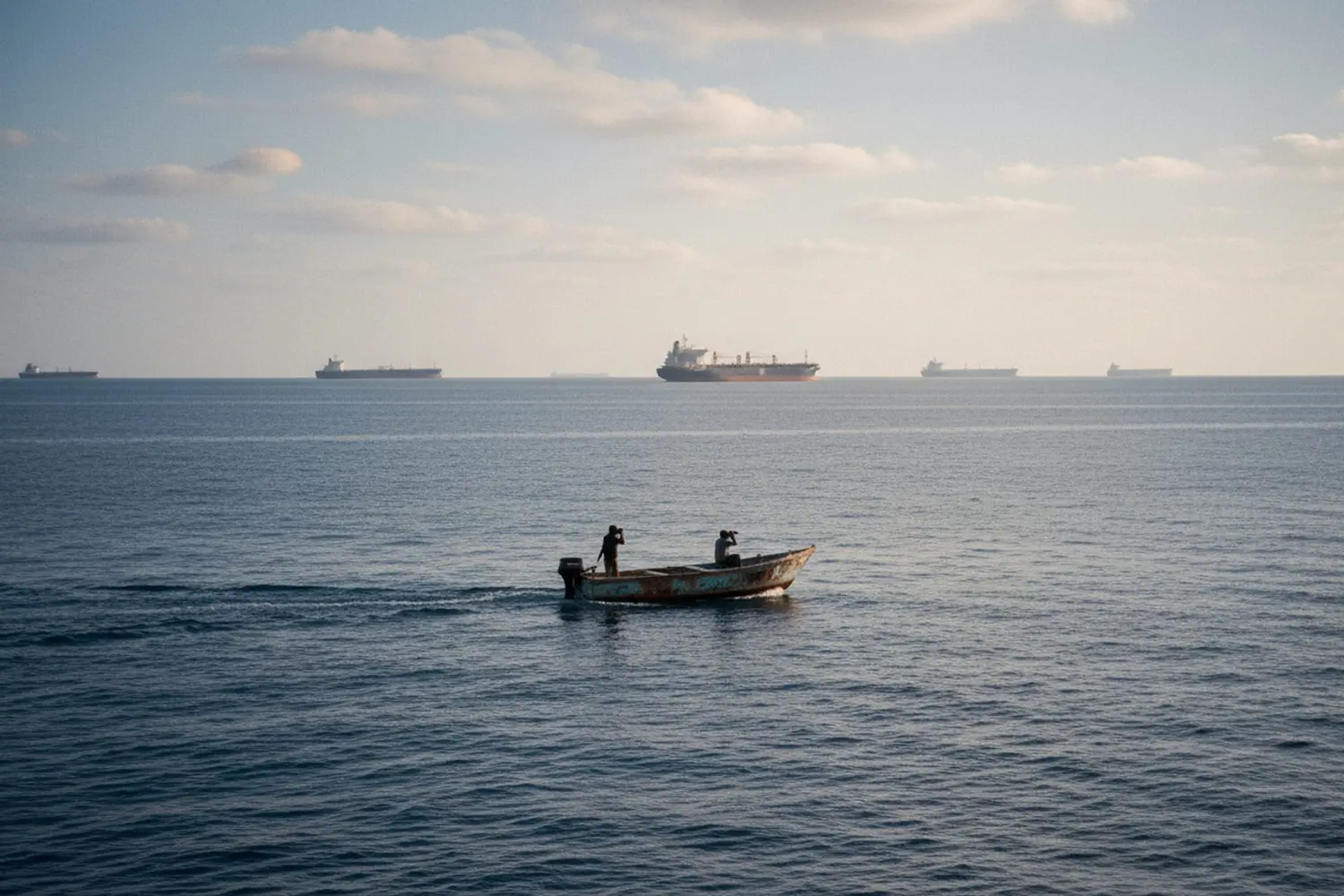
The study highlights the extent of the repercussions of the conflict in the Middle East on French small and medium-sized businesses, particularly through rising costs, supply delays and sectoral resilience.
More than four months after its outbreak, the conflict in the Middle East is beginning to seriously undermine the resistance capacity of French VSEs and SMEs. According to the biannual barometer from Bpifrance Le Lab, published Thursday July 9, 2026, 79% of French VSE-SMEs say they are impacted by the consequences of the war in the Middle East. Among the leaders surveyed, 41% say they are very strongly affected by the conflict and the upheavals on the Strait of Hormuz, a strategic point for the transit of oil and many goods, whose recurring disruptions disrupt supply chains.
Costs and supply at the heart of the difficulties
The barometer, carried out among 5,000 business leaders between May 5 and June 18, 2026, highlights the main factors deteriorating the situation. Thus, 69% of managers cite the price of oil as the first factor, particularly in transport and construction. The increase in the price of inputs (raw materials) and supply issues, linked to delivery times and the price of transport, are particularly impacting the industry.
This sector, however, demonstrates notable resilience: although it is not spared from rising costs and supply delays, it manages to limit the impact on its activity. According to the Banque de France, French companies are facing a succession of geopolitical and economic shocks, without this having yet led to a major and widespread deterioration for VSE-SMEs.


