








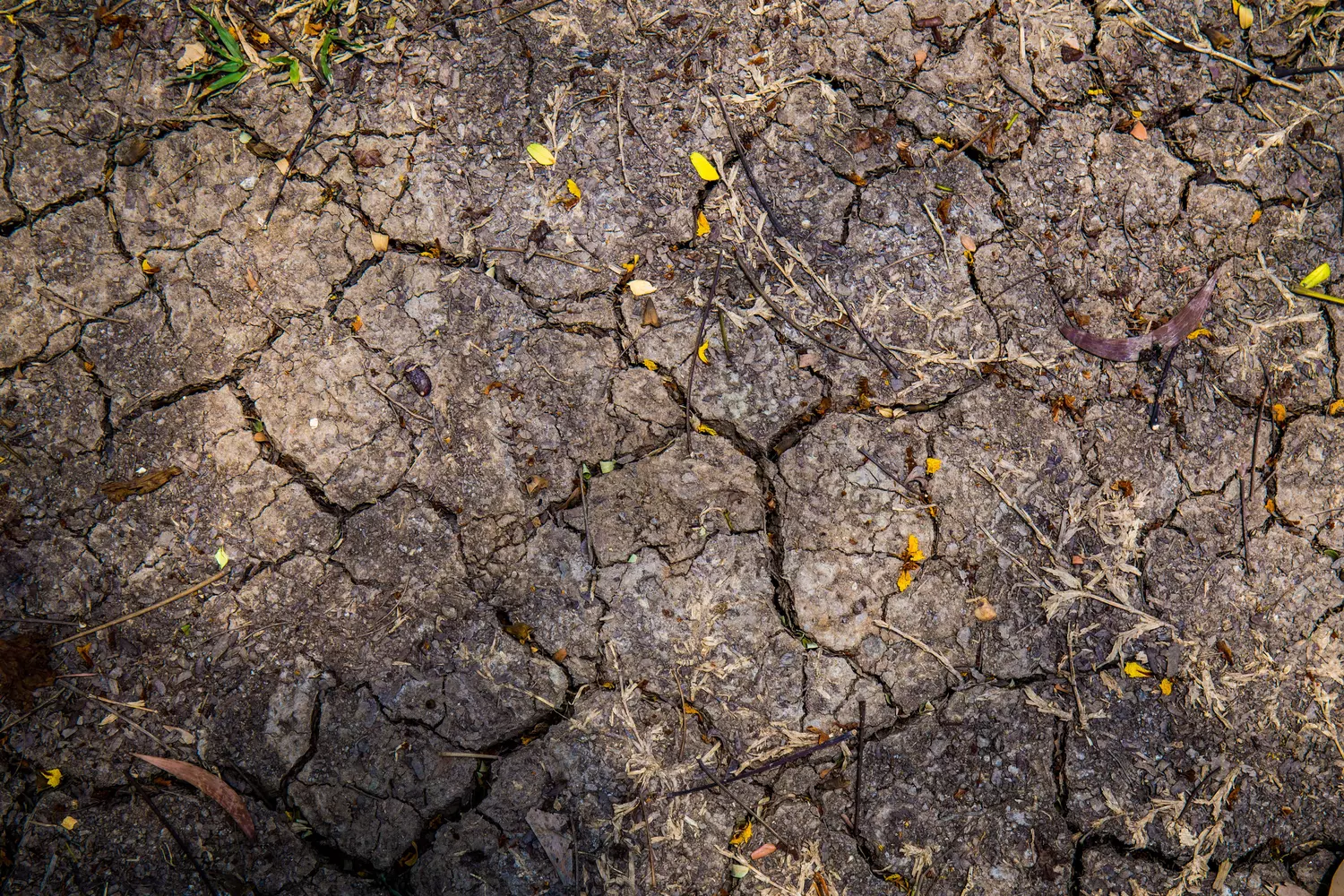
The unprecedented heatwave episodes of 2026 are weakening French growth, particularly affecting agriculture and pushing the executive to revise its forecasts downwards.
The three heat waves that the country has just experienced pose a “downside risk” to growth forecasts. France experienced record heat peaks, at the end of June then at the beginning of July, after a first heatwave episode in May 2026. The heatwaves of 2026 are distinguished by an unusual frequency, duration and intensity. Faced with this situation, the government has just lowered its GDP growth forecast from 0.9% to 0.7% for 2026.
Clément Bortoli, head of the economic summary division of INSEE, indicated in mid-June that he was counting on an increase in GDP of 0.7% in 2026. This revision comes at a time when the French economy has been put to the test: trains canceled, shops and restaurants deserted, schools closed, construction sites stopped by exceptional temperatures. The deleterious effects are nevertheless concentrated in certain sectors.
Business and agriculture on the front lines
In a survey carried out in July by Rexecode, the Movement of Mid-Size Enterprises (ETI) and the French Association of Corporate Treasurers, 28% of large companies and ETIs said they had seen their activity affected by heatwaves. Only 5% of companies indicated a positive effect of heatwaves, while for 49% of firms surveyed, intense heat had no impact.
Companies affected by the heatwave changed their working hours and partially managed to maintain their activity. However, agricultural production remains the economic activity most exposed to negative effects. The Ministry of Agriculture indicated that despite an increase in areas cultivated with wheat, the harvest would be down by 4%.
In 2003, the heatwave caused a drop in cereal production of around 22% compared to the previous year, and a decline in wine production of almost 9%. The flocks of chickens, turkeys and laying hens had been decimated. “At the time, the intense heat caused a 15.4% drop in agricultural added value,” recalls Anthony Morlet-Lavidalie, economist at Rexecode.
The current situation, however, is not strictly comparable. The weight of agriculture in the French economy fell from 1.7% in 2003 to 1.4%. “GDP could lose between 0.1 and 0.2 points if agricultural value added fell by 10% this year,” the Rexecode expert cautiously suggests.
We will have to wait several months to have an idea of the real impact of heatwaves on crop yields in 2026. Heatwaves could have an impact on many other activities, especially since they are distinguished this year by an unusual frequency, duration and intensity.
Economic effects still difficult to measure
Faced with a phenomenon that they have not yet mastered, economists are caught off guard in assessing the cost for the French economy. “The correlation between intense temperatures and GDP is not obvious, GDP aggregates too much data,” observes Anthony Morlet-Lavidalie, economist at Rexecode. The “short-term” effects of the heat wave are “a little ambiguous”, admitted Emmanuel Moulin, the new governor of the Bank of France, interviewed on June 20 on France Inter.
For the moment, economic surveys do not bear any trace of these episodes. “In June, the business climate was not particularly bad, thanks to industry,” observes Mathieu Plane, economist at the French Observatory of Economic Conditions. The Banque de France forecasts an increase in GDP of 0.2% in the second quarter of 2026, instead of zero growth. “Growth in the second quarter should show a solid 0.2%,” estimates Anthony Morlet-Lavidalie, who does not rule out “a backlash in the third quarter” if this scenario materializes. “It will be a small miracle if GDP increases by 0.2% or 0.3% over the period, while the economy suffered an energy shock for two months with the closure of the Strait of Hormuz and the effects of heatwaves,” says Mathieu Plane.
After a decline of 0.1% at the start of 2026, GDP should increase by 0.2% in the second quarter, driven by services and the adaptation of businesses to extreme heat.
Vigilance required for the rest of the year
While summer has only just begun, uncertainty remains over the extent of the economic consequences of repeated heatwaves. The coming months will be decisive for measuring the real impact on growth and on the most exposed sectors, notably agriculture. The INSEE figures expected in the coming days will be closely scrutinized to assess whether French growth will be able to maintain the course of 0.7% now expected for 2026.