








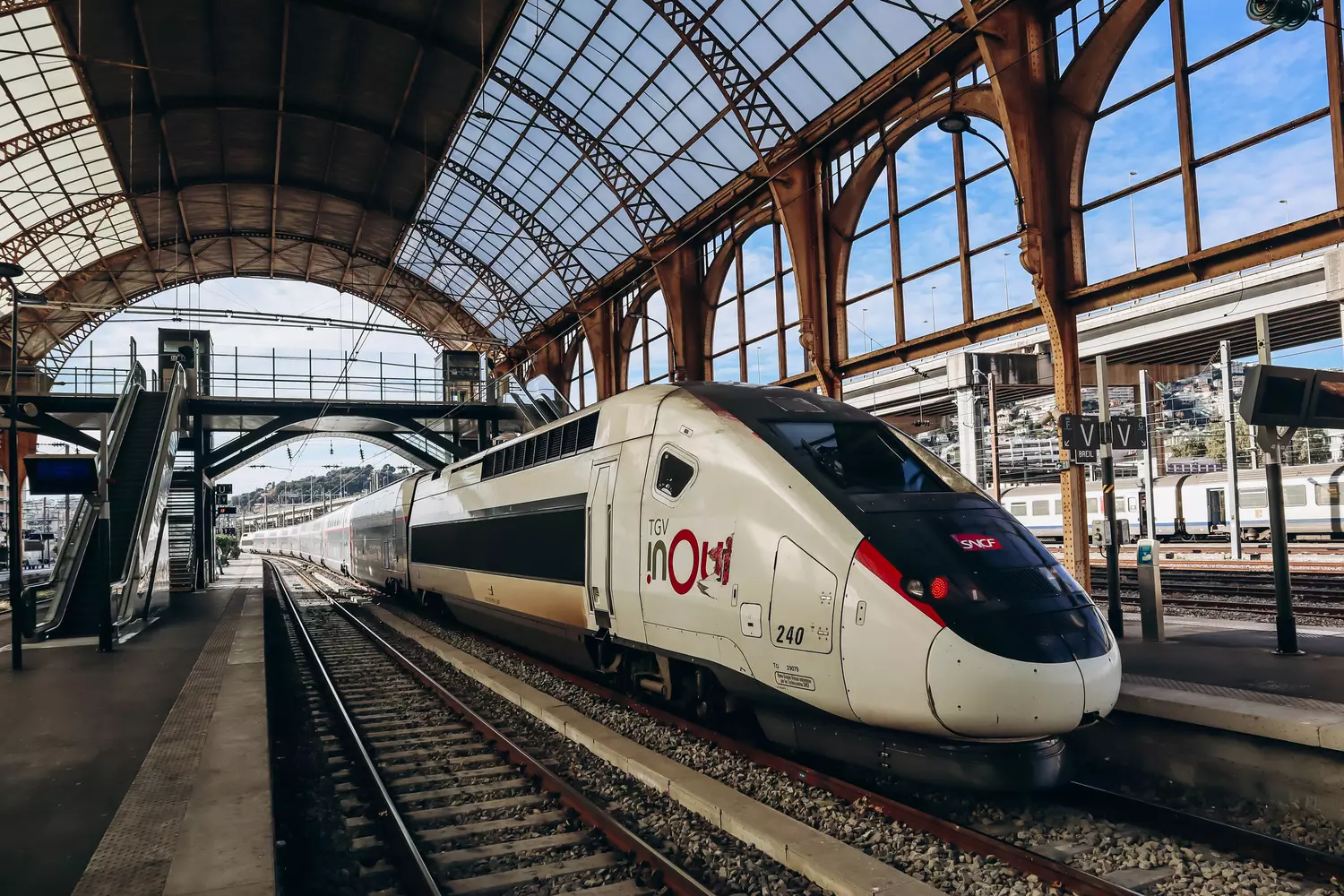
The CEO of SNCF Voyageurs, Christophe Fanichet, will leave his position, replaced by a duo of managers, in a context of strategic reorganization of the railway group.
Jean Castex modifies the governance of SNCF Voyageurs and separates from his boss, Christophe Fanichet. The CEO of SNCF Voyageurs, the powerful subsidiary of the railway group, will leave his position, Mr. Castex announced on Tuesday July 21 to the company’s management teams. He will be replaced by a duo of veterans of the house who will share his functions: the presidency will go to the current deputy general director of strategy and finance of the group, Laurent Trevisani; general management to Jean-Aimé Mougenot, TER deputy director. This separation of the functions of president and general manager is seen as a weakening of the most powerful of the company’s subsidiaries for the benefit of the SNCF group.
Mr. Fanichet remains for the time being at the helm of the subsidiary which operates the passenger trains. His departure will take place “soon”, while the board of directors approves Mr. Castex’s decision.
A solid balance sheet but strategic differences
Mr. Fanichet had held this position since 2020, the year when the long-feared competition became reality. It was on this date that the first Italian trains began to run on the high-speed network and that calls for tenders for the so-called approved lines (the TER and the Intercités) were launched. SNCF Voyageurs won 11 of the 15 calls for tenders, the trains have never been so full and turnover (20.9 billion euros in 2025) and profits are up sharply. And, people around him boast, there have never been so few strikes within the company.
As soon as Mr. Castex arrived at the head of the railway company, strategic differences appeared. Mr. Castex showed relative enthusiasm for plunging the company into the era of competition, while Mr. Fanichet was criticized, particularly by the unions, for his voluntarism, at the risk of weakening the unity of the group.
Since the 2020 railway reform, the subsidiaries of the SNCF group have largely become autonomous. Mr. Castex seemed to want to regain control over them. The separation of the functions of president and general manager is seen as a weakening of the most powerful of the company’s subsidiaries for the benefit of the SNCF group.
The management of SNCF announced to Le Monde that a new internal position had been offered to Mr. Fanichet whose “professionalism is not in question and who retains all the confidence of Jean Castex”. “Jean Castex wanted to change the governance of SNCF Voyageurs to face the important challenges of quality of service, freely organized services [les TGV soumis à une concurrence]maintenance and distribution,” added management.
End of the “Destination 2030” project and new roadmap
Mr. Fanichet had been working for almost a year on a major transformation of the limited company of which he is CEO, called “Destination 2030” or “D30” internally. The idea was to separate into two distinct entities the teams managing the approved trains and those working in the TGVs, where competition is freely organized, and which operate without intervention or subsidy from the public authorities. This plan should have been effective in the spring. Mr. Castex had suspended him until July. He definitely throws it in the trash at the same time as he separates from the one who designed it. “Jean Castex considered that D30 did not meet the company’s current challenges,” management said.
According to our information, Mr. Mougenot’s mission is to work on a new strategic plan which he will have to submit to Mr. Castex by the end of the year, to combine “performance, decentralization and unity of the railway group”. This 68-year-old railway worker, a pure in-house product, enjoys a good image among SNCF agents, whom he has worked with throughout his career. As director of TER, his mission was to supervise the creation of ad hoc subsidiaries – “dedicated companies” in house language – responsible for operating the TER or Intercités lots won by SNCF Voyageurs.