








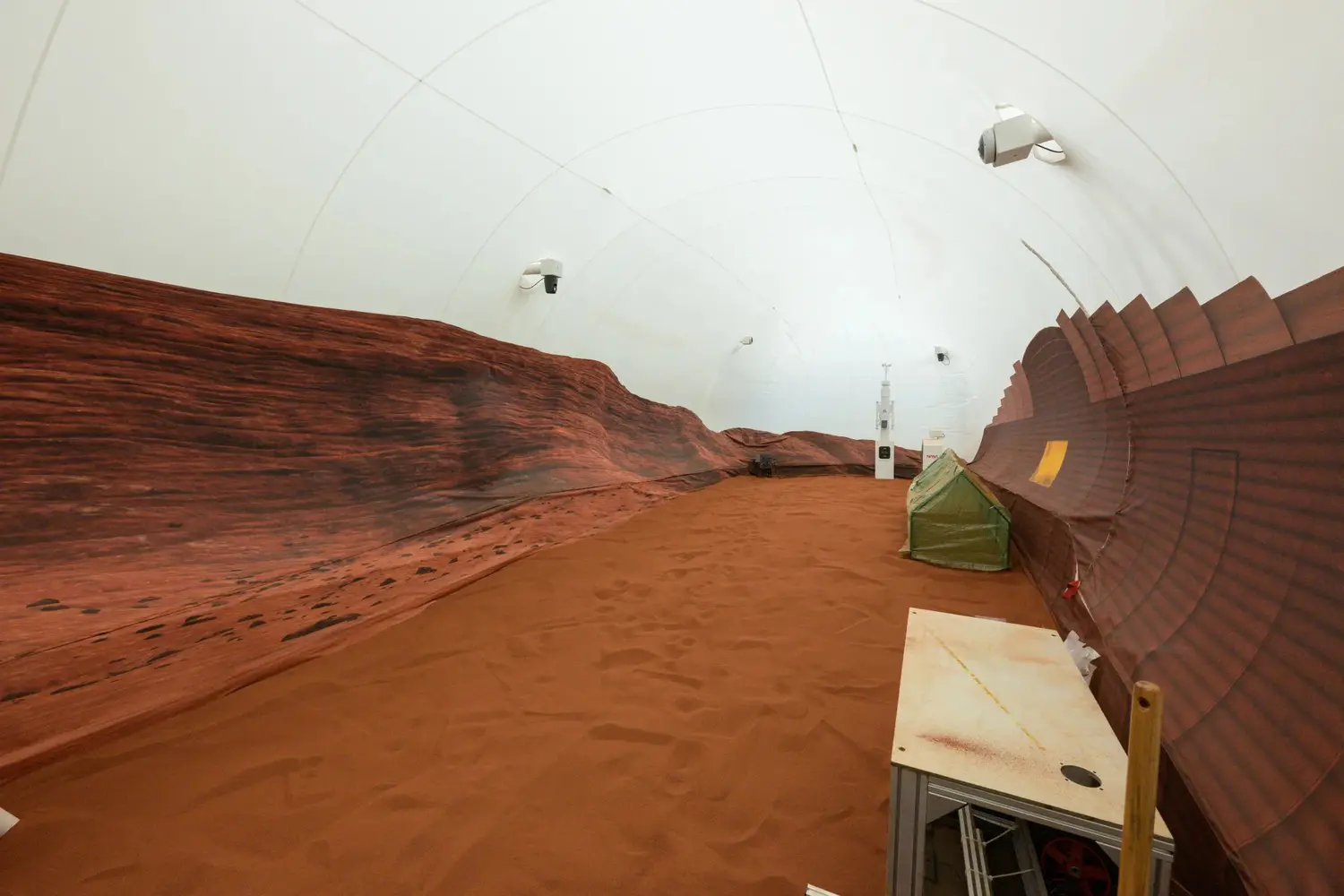
NASA is preparing the next trips to the lunar and Martian surface. For this, she is looking for guinea pigs to live for a year in isolation.
NASA has its eyes on a small red planet, a star eaten away by rust, where the average temperature is -60°C. To prepare for this trip and the return to the Moon, the American space agency needs guinea pigs. Four, precisely. For a year, they will live self-sufficiently on a false extraterrestrial base. Mission code name: MMEA, for Moon & Mars Exploration Analog.
“It’s one more step towards Mars,” summarizes NASA to present part of its mission. Concretely, in the summer of 2027, at the earliest, four volunteers will say goodbye to sunlight and the open air. Head to the Johnson Space Center in Houston. Their daily life? Fourteen months of experience, including a whole year of absolute confinement.
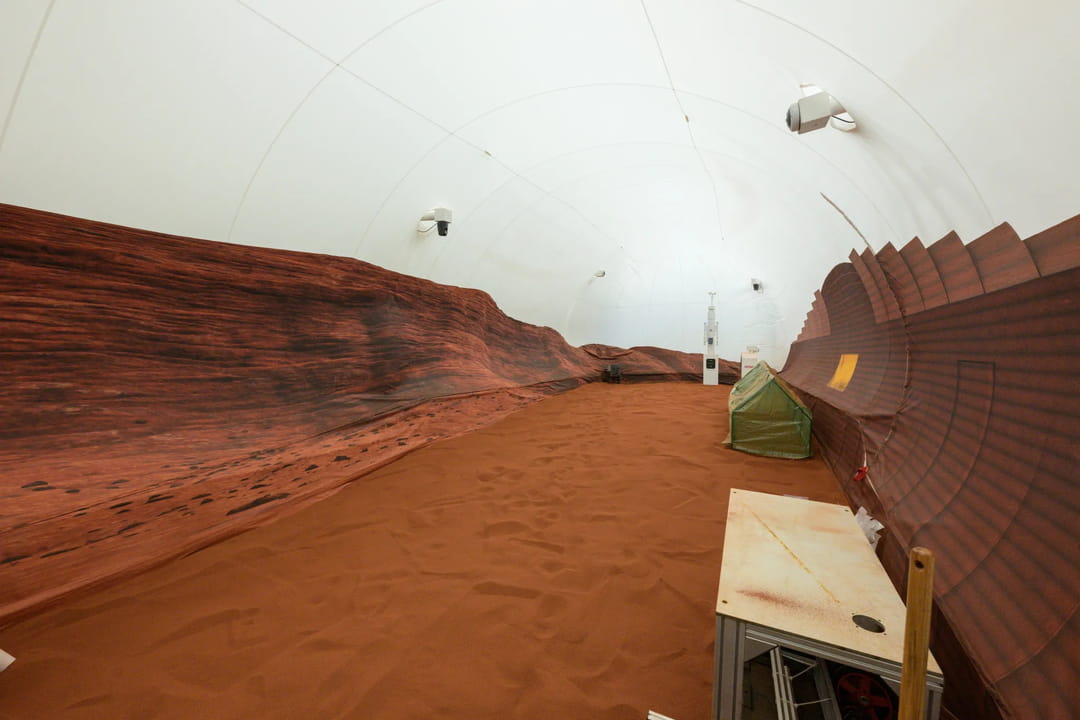
The crew will begin with a simulated outward journey, squeezed into an extremely cramped 60 square meter vessel. Then will come the landing. A careful transition to a 3D printed surface base, 84 square meters. On this fake extraterrestrial soil, they will have to don suits for virtual sorties, survive in a rover a few square meters and endure artificial communications outages that can last up to two weeks. The objective: to push the body, the mind and the technology to their limits before the big leap.
The conditions for becoming a volunteer are very restrictive. To hope to be part of the crew, you must display a CV worthy of a real astronaut. The space agency requires a university science degree in engineering, biology, physics or mathematics. Solid military experience can also weigh in the balance. The profile of the candidates is just as precise: you must be between 30 and 55 years old, be no more than 1.88 meters tall, have a perfect command of English and above all, be an American citizen or permanent resident.
But the crash test will be medical and mental. Future guinea pigs will have to survive a battery of rigorous psychological evaluations and pass physical exams. Sleepwalkers, people dependent on sleeping pills or those with the slightest dietary restriction are automatically rejected. The commitment is total. It involves abandoning one’s earthly life and one’s loved ones to make oneself available for fourteen long months, including pre-training and post-mission follow-up.
There remains the question of remuneration, which remains unresolved for the moment. The American space agency has not yet communicated on the exact compensation that the volunteers of this new MMEA mission will receive. However, we can rely on the previous program to get an idea. During the first phase of testing of the surface base (the CHAPEA mission), several media outlets indicated that compensation was calculated based on active time, at around $10 per waking hour. Knowing that the daily routine of volunteers requires 16 hours of waking time per day, this represented approximately $60,000 for the 378 days of confinement of the mission.