










Who most often ends up in the garage or towed by a tow truck? Among the car brands, a French manufacturer stands out.
30 pages and a detailed analysis. To determine which car model is most often involved in a collision, a document is used: the annual observatory of the SRA, an association bringing together all French automobile insurance companies. It is precisely the 2025 section, dedicated to the brands and models affected, that the JDN has scrutinized.
The study reveals in particular that SUVs, these tall and spacious vehicles, are particularly affected, they represent more than a third of the collisions recorded. “The SUV category consolidates its position as the most represented segment, driven in particular by family SUVs,” summarize the authors.
Beyond vehicle categories, the study also focuses on brands: ten of them account for more than three-quarters of the collisions. Among the three most affected brands, we find only French manufacturers: Citroën, Peugeot and, in first position, Renault.
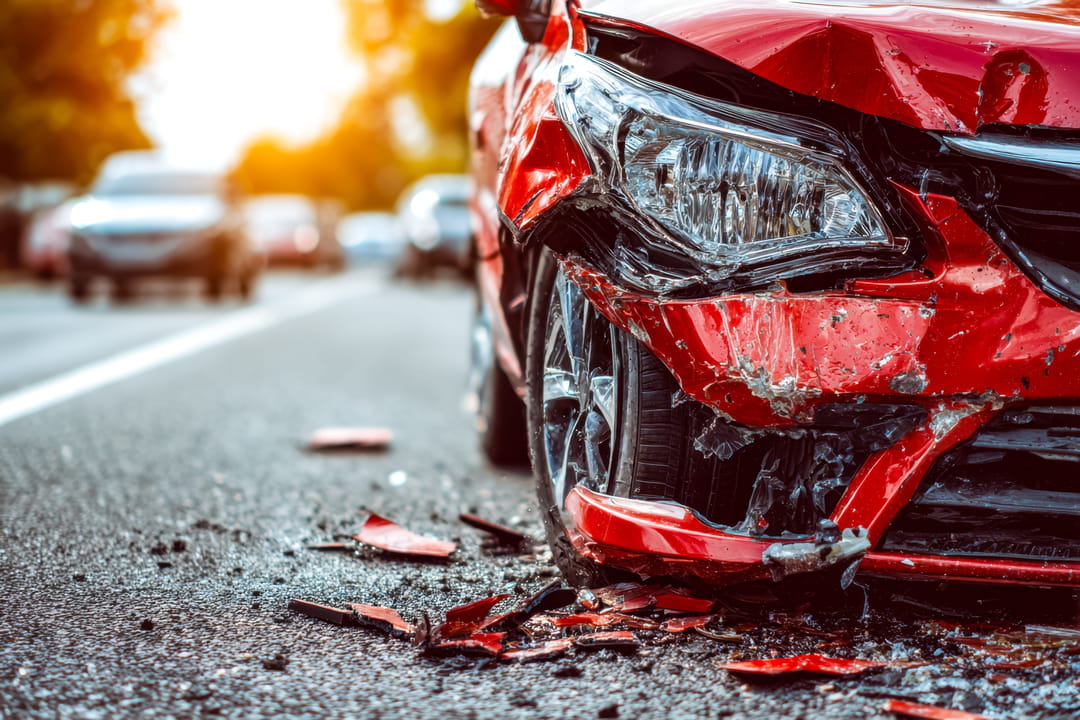
A track record that is confirmed on the ground. A motorway repair company has agreed to provide us with details of its interventions. We thus discover that since January 1, 2026, this convenience store has picked up Renaults and Peugeots more than thirty times (i.e. approximately two interventions per week for each of these two brands), well ahead of Citroëns.
Why are there serial accidents among these manufacturers? The answer is actually very simple: Renault, Peugeot and Citroën are among the most widespread brands in the French automobile fleet. The Renault Clio V being the best-selling new model in France, it is therefore logical to find it at the top of the ranking, in the city car category.
To put together this study, the SRA draws on a gold mine: nearly 4 million expert reports made in France in 2024. But, to guarantee a strict and objective comparison, “the study only concerns vehicles less than six years old at the time of the incident” and only takes into account collision claims (in traffic or parked) of private vehicles and light commercial vehicles. In short, this amounts to analyzing around 600,000 expert opinions. Last methodological point: only models with a minimum of 100 reviews have the right to appear in this list.
The heart of the SRA study is repair costs. And the differences between French manufacturers are far from negligible: it is at Renault that the bill is the highest, with repairs on average 7% more expensive than at Peugeot and 10% more expensive than at Citroën. At the other end of the spectrum, Dacia, the low-cost subsidiary of the Renault group, stands out as the second cheapest brand to repair in the entire study (on average, 22% less expensive than Renault), closely following the Japanese Suzuki.