








In the absence of consolidated data, the sector and NGOs come together to share the diagnosis on the impact of pro-electric taxation, while registrations are declining.
Sales of new cars fell by 0.6% over the first five months of 2026 compared to the same period of 2025 and by 31% compared to the first five months of 2019, according to the documentary file. Thursday June 11 in the afternoon, Sébastien Martin, the Minister of Industry, brought together the ranks of the automotive sector and environmental NGOs in order to assess the impact of taxation intended to promote electrification on the evolution of sales.
The minister said he was ready, in January, to overhaul vehicle taxation if the penalty – surcharge based on weight and CO2 emissions – is at the origin of the market depression, while asking stakeholders to document the phenomenon. The Automobile Platform (PFA) and Mobilians (formerly CNPA) have mandated the firms Roland Berger and AAA Data to quantify the impact of regulatory and tax measures, but these complex analyzes cannot be presented during the meeting.
Devices under voltage
According to Dorothée Dayrault-Jullian, director of public affairs at Mobilians, this meeting mainly resembled a sharing of diagnoses. No actor has completed their assessment or formulated a joint proposal, in a context of uncertainty over the conditions and the majority of adoption of the finance bill for 2027.
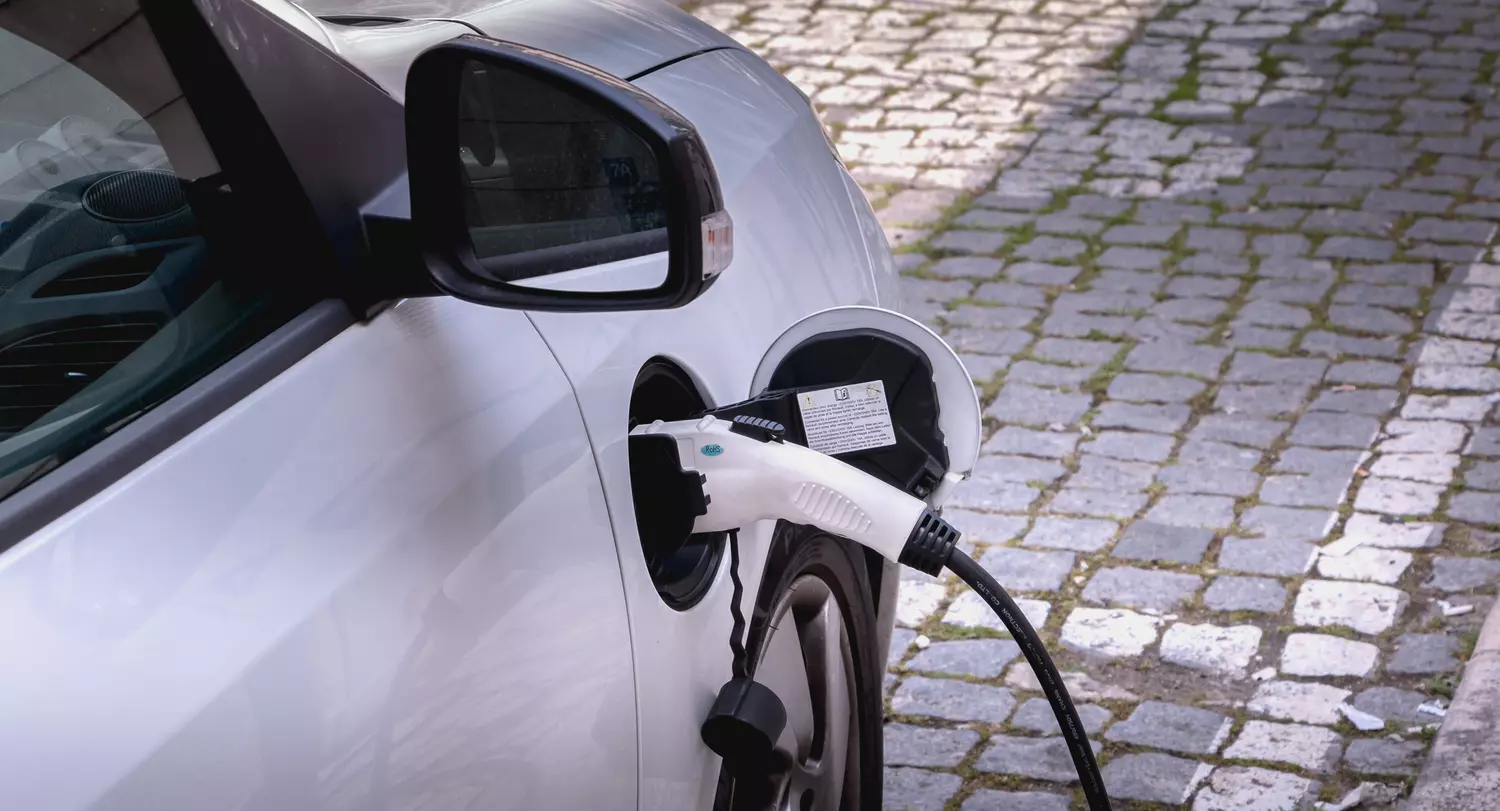
Transport & Environment (T&E) highlights the effectiveness of current systems: over the first five months of 2025, sales of electric cars reached 28% of the total, 40% in company fleets and 43% for the month of May alone. The NGO notes that this stock of electric vehicles will ultimately supply the second-hand market and make electric more accessible, and that the tax system favors small French models with low emissions and penalizes imported thermal cars.
The Mobility in Transition Institute (IMT) judges, in its Barometer of the evolution of prices of new vehicles in France published on June 3, that the increase in penalties cannot be held responsible for the absence of a recovery in sales in 2025: the average additional cost per transaction linked to the strengthening of CO2 and mass penalties amounted to 160 euros between 2024 and 2025, or three times less than the average drop in the cost of vehicles, excluding discounts, measured by the observatory. In 2025, 82% of vehicles were subject to a penalty of zero or less than 500 euros, while 18% of sales generated 86% of penalty revenue. Jean-Philippe Hermine, general director of IMT, says he is ready to support an increase in the weight penalty threshold to exempt certain popular models such as the Sandero, the Clio or the 208.
Avenues for tax development
The tax legislation department proposes to group the four taxes weighing on company car fleets – the annual tax on CO2 emissions, the tax on atmospheric pollutants, the greening incentive tax and depreciation ceilings – into a single tax line, in return for the recovery of VAT on company cars. This avenue raises concerns: the industry is calling for a detailed text to assess the side effects, and NGOs fear a weakening of the incentive for electrification and a period of wait-and-see behavior for buyers.
However, everyone agrees on the reestablishment of a conversion bonus, covering the purchase of new and used electric cars. This aid could be financed by energy saving certificates and penalties, in order to support the market while maintaining the move towards less emitting vehicles.


