





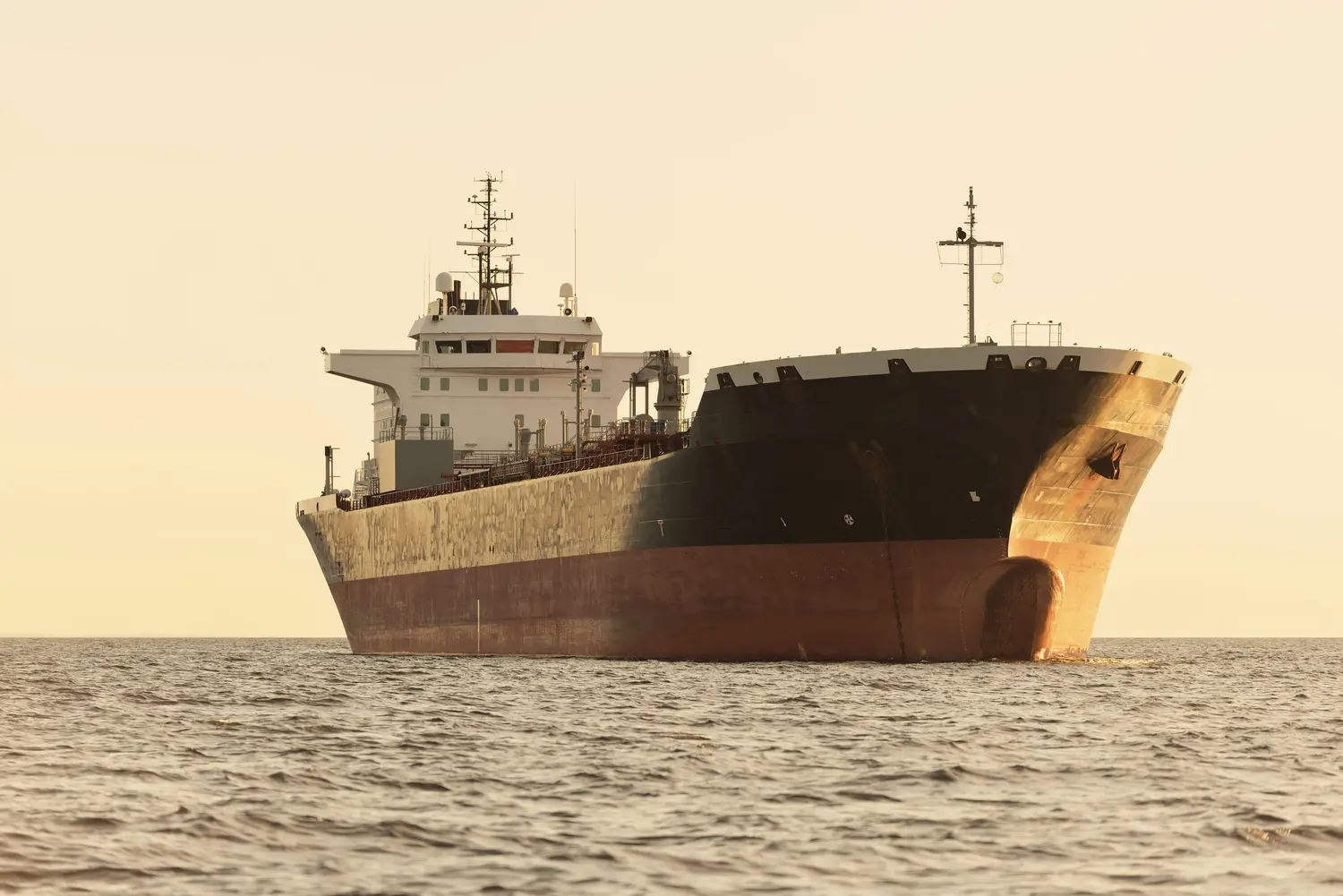
Signature announced in Geneva on June 19; the truce is extended by 60 days and navigation must resume in the Persian Gulf.
Donald Trump announced Monday on Truth Social that “The agreement with the Islamic Republic of Iran is now finalized” and that it “fully authorized the reopening of the Strait of Hormuz without rights of passage and, at the same time, the immediate lifting of the American naval blockade”. “Ships around the world, start the engines. Let the oil flow!” he added.
He described this agreement as “historic” which “will bring peace and security to the entire region” and specified that a signing ceremony should take place on Friday June 19 in Geneva, in the presence of Vice-President JD Vance, which Donald Trump could also attend, according to the main source.
For his part, Iranian Deputy Foreign Minister Kazem Gharibabadi confirmed on state television that the text of the memorandum of understanding had been “finalized” and announced “the immediate and definitive end of the war and military operations on the various fronts, including in Lebanon”, as well as “the immediate lifting of the American blockade”.
Mediations and perimeter of the truce
Pakistan and Qatar have played the role of intermediary since the beginning of April. Pakistani Prime Minister Shehbaz Sharif posted on
The protocol extends the current truce by 60 days, during which negotiations on the Iranian nuclear issue will take place.
The ceasefire must extend to Lebanon. Israeli strikes in Beirut hours before the planned signing nearly derailed the negotiations, prompting Iran to threaten to withdraw. Diplomatic interventions aimed to avoid an Iranian response and an Israeli response, according to the main source.
Donald Trump has authorized the reopening of the Strait of Hormuz. The protocol aims to resume maritime traffic and return to the situation that prevailed before the Israeli-American attack.
Commercial navigation could take some time to be fully restored, in particular due to mine clearance operations, specifies the main source. Trump assures that “oil will flow again on both sides for the region and for the whole world”, as soon as the agreement to allow demining is signed.
Shock on oil and Asian markets
Oil prices immediately fell after the announcement. Around 3:00 GMT Monday, Brent (August maturity) lost 4.84% to $83.10 and WTI 5.73% to $80.02. Asian stock markets soared in relieved markets. “The markets have remembered one thing above all: the risk premium linked to Hormuz is being reassessed”, with a downside on the fragility of the declaration and the dependence on mine clearance and confidence in maritime security, according to analyst Stephen Innes of SPI Asset Management. Before the conflict, around 140 ships passed through the strait every day, recalls the analyst, who emphasizes that a return to normal will depend on mine clearance and maritime security.
The 60-day truce will be used to negotiate a future, more detailed agreement on Iran’s nuclear program. The text would mention stocks of enriched uranium and the dilution of highly enriched uranium. Washington would consider sanctions relief and the payment of frozen Iranian assets depending on Iran’s compliance with its commitments: the lifting of sanctions and access to funds will depend on the progress of negotiations, according to the main source.
Political demands and regional context
Donald Trump says he is proud of a “personal victory” and rejects any comparison with the 2015 JCPOA, which he describes as “a clear path to nuclear weapons”. “My agreement with Iran is exactly the opposite: A WALL AGAINST NUCLEAR WEAPONS! In fact, they no longer want a nuclear weapon, and they will not have one, whether by purchase, development or any other form of acquisition…”, he assures, denying that any payment of money is planned. He adds that “the region’s leaders have, for the first time, found a president who can help them achieve real peace” and asserts that its relations with Iran are “much different and much better than those enjoyed by previous administrations.”