








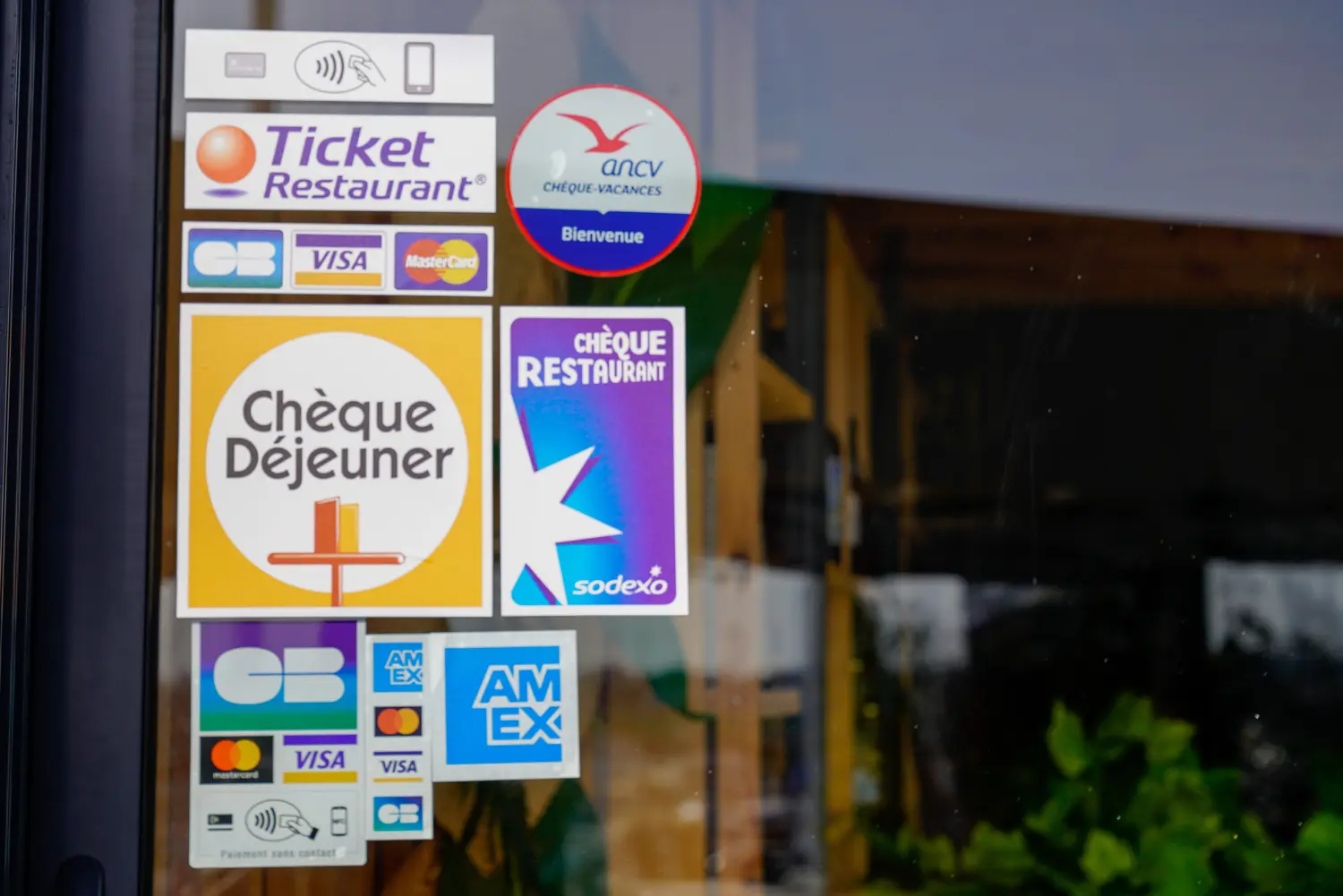
The text, tabled by MP Christophe Naegelen, will be debated at the start of the school year to sustainably establish the use of meal vouchers in supermarkets, despite opposition from restaurateurs.
The bill to allow the continued use of meal vouchers for shopping in supermarkets should arrive in Parliament at the start of the school year, Serge Papin, the Minister of Purchasing Power, said this Thursday at the Public Senate microphone. “MP Christophe Naegelen (Liot) tabled it, that’s it,” welcomed the government member, opening the way to the parliamentary debate.
Towards a generalization of use in large areas
Until now, the possibility of using meal vouchers to pay for food purchases in supermarkets had been introduced temporarily by the government in 2022, as part of emergency measures to protect purchasing power. This measure has since been renewed each year by parliamentarians, until December 31, 2026.
The bill, tabled on June 9 in the National Assembly, aims to make this development long-term. According to its author, MP Christophe Naegelen, “perpetuating this development appears to be a logical adaptation to new eating and professional habits”, prepared meals or teleworking.
The text also plans to “redefine the meal voucher in the labor code as a special payment voucher that is exclusively dematerialized (ie in card format or entirely dematerialized), putting an end to the issuance of vouchers in paper format from January 1, 2028”. It also formalizes the possibility of donating “all or part of its meal vouchers to nationally authorized associations working in the field of food aid”.
Serge Papin assured that the government remained determined to open the use of these titles on Sundays, a day previously excluded. “As soon as the law is passed, I will pass a decree so that meal vouchers can be used on Sundays,” said the minister, estimating that this could be done by November, or in any case before the end of the year.
The prospect of seeing the use of meal vouchers definitively extended to supermarkets arouses strong opposition from the catering sector. In April, its representatives denounced the injustice of this measure and the misuse of the use for which meal vouchers had initially been designed, namely meals in restaurants. A transformation into a “food voucher”, Frank Delvau, president of Umih Paris Ile-de-France, had denounced to Le Figaro, estimating that “it will not resolve anything in terms of purchasing power, there are only 15% of French people who benefit from meal vouchers”.
The latest data highlights a decline in the use of the system in restaurants, which lost 7 points of market share between 2020 and 2022, going from 46.5% to 39.5%. For their part, large and medium-sized stores gained 9 points, from 22.4% to 31.5%.
A refocus on food
Faced with controversies over the acceptance of meal vouchers for non-essential products, Serge Papin said he was in favor of refocusing the use on “essentially food” businesses. The parliamentary discussion planned for the start of the school year promises to be decisive for the future of the meal voucher, while its terms of use and its scope are the subject of intense debates between the stakeholders concerned.


