









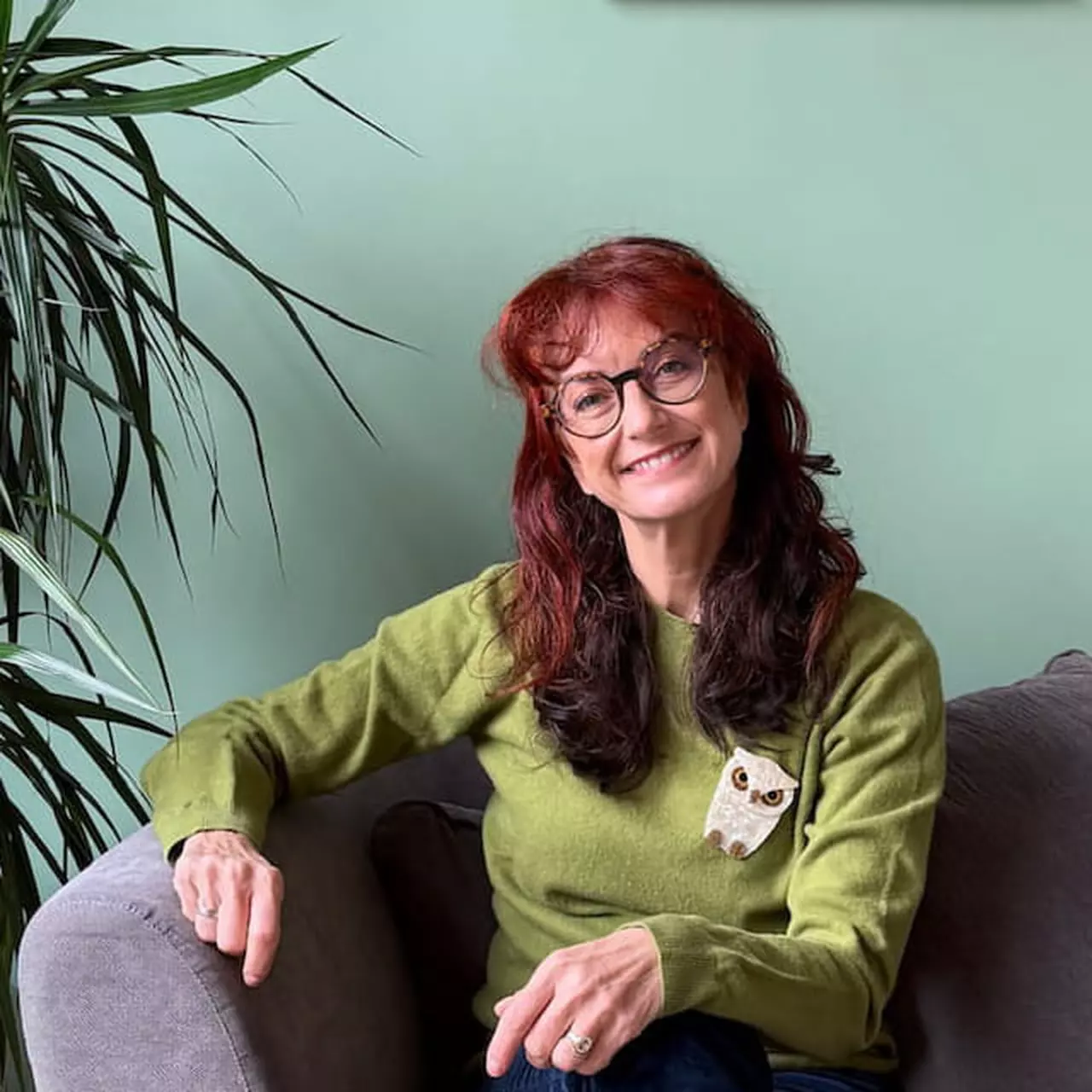
At MSF, Jean-Baptiste takes 3 months of rest between each mission. Not 2 weeks. A discipline that has kept him on the field for 20 years.
After six months in the field with Médecins Sans Frontières, Jean-Baptiste is taking two to three months off. Not two weeks. Not a long weekend. Two to three months.
The first time I heard him say that, I cringed. In the humanitarian sector, where urgency is the norm and permanent availability is almost a moral value, this pace seems almost inappropriate.
And then I thought. And I understood that it was precisely for this reason that he was still there, twenty years later.
Acceleration as a structural trap
The humanitarian environment is a laboratory for observing organizational dynamics under pressure. Everything that exists in a latent state in ordinary businesses is amplified, visible, inevitable.
The emergency, first. It is not an exception in an organization like MSF: it is the permanent operating mode. It generates adrenaline, a feeling of intense usefulness, a form of immediate recognition. It is also, in the long term, exhausting.
“The humanitarian environment encourages acceleration,” says Jean-Baptiste. “Urgency, adrenaline, recognition, sometimes ego. Everything pushes us to go faster, further, stronger.”
This diagnosis applies well beyond NGOs. In most intensive professional environments, the same mechanisms are at work. Urgency is valued. He who holds up under pressure is admired. Anyone who asks to slow down is seen as fragile, even unreliable.
This collective bias has a cost. And that cost is usually only measured after the fact, when someone collapses.
The biological bases of sustainable management
Jean-Baptiste is not a doctor, even though he worked alongside MSF medical teams in the field for a long time. But he talks about biology with a precision that contrasts with the usual discourse of well-being at work.
“To keep going, you have to go back to the basics: sleep, eat, rest. This may seem simplistic, but it’s fundamental. When biology is respected, we free up space to think and take a step back.”
This wording is important. He doesn’t talk about recovery as a luxury or a reward. He speaks of it as a functional condition. When the body is not respected, the capacity for judgment diminishes. Decisions become reactive rather than thoughtful. Tolerance for other people’s mistakes collapses. The ego takes up more space than analysis.
Neuroscience confirms what experience in the humanitarian field taught Jean-Baptiste: the brain deprived of sleep and rest functions in a state of chronic stress which impairs executive functions. There creativitythe ability to take a step back, the ability to manage ambiguity: all these key managerial skills are directly affected by the physiological state of the manager.
We invest fortunes in training leadership. We invest little in the biological conditions that allow this leadership to be exercised correctly.
Slowing down is not giving up
The high performance paradox has been known in the sporting world for a long time. Elite athletes don’t train longer than others. They recover better. They understood that the quality of the effort directly depends on the quality of the rest that precedes it.
The world of management is starting to integrate this logic, but slowly, and often in a cosmetic way. We offer meditation apps, nap spaces, four-day work weeks. These initiatives are not useless. They remain insufficient as long as they are part of a culture that fundamentally values acceleration.
Jean-Baptiste made a different choice. After two decades spent in some of the most demanding contexts that MSF manages, it has built its rhythm against the grain, accepting that the long break is not a sign of weakness but a condition of duration.
“I systematically allow myself time to rest between missions. I need calm, solitude sometimes, moments without stimulation.”
This word, “systematically”, deserves attention. This is not a decision made when fatigue becomes unbearable. It is an integrated, anticipated, structural protocol.
Introspection as a professional skill
Beyond physical rest, Jean-Baptiste talks about another practice developed over the course of the field: regular introspection. Observe your own emotions. Recognize weak signals before they become strong signals. Sleep problems, unusual stress, emotional fatigue: all indicators to monitor and name.
In the humanitarian sector, exposure to situations of violence, distress and death makes this a vital skill. But it is just as important for any manager subjected to prolonged pressure.
A manager who does not recognize his own warning signs will not recognize them in his colleagues either. Introspection is not an exercise in personal psychology disconnected from work. It’s a fundamental soft skill.
What it really takes
Slowing down in an environment that values speeding up requires something that is often not clearly named: courage.
Not the spectacular courage of decisions under pressure. A more discreet courage. That of saying no to an additional mission when you have not yet recovered from the previous one. That of setting limits in a sector where availability is often confused with commitment. That of choosing duration rather than intensity.
Jean-Baptiste spent more than twenty years at Médecins Sans Frontières, in one of the most demanding professional environments there is. He does not attribute it to any particular resistance or to an exceptional temperament.
He attributes it to learning to stop.
It’s a simple lesson. However, it is one of the most difficult to apply in a world that confuses permanent movement with real performance.