








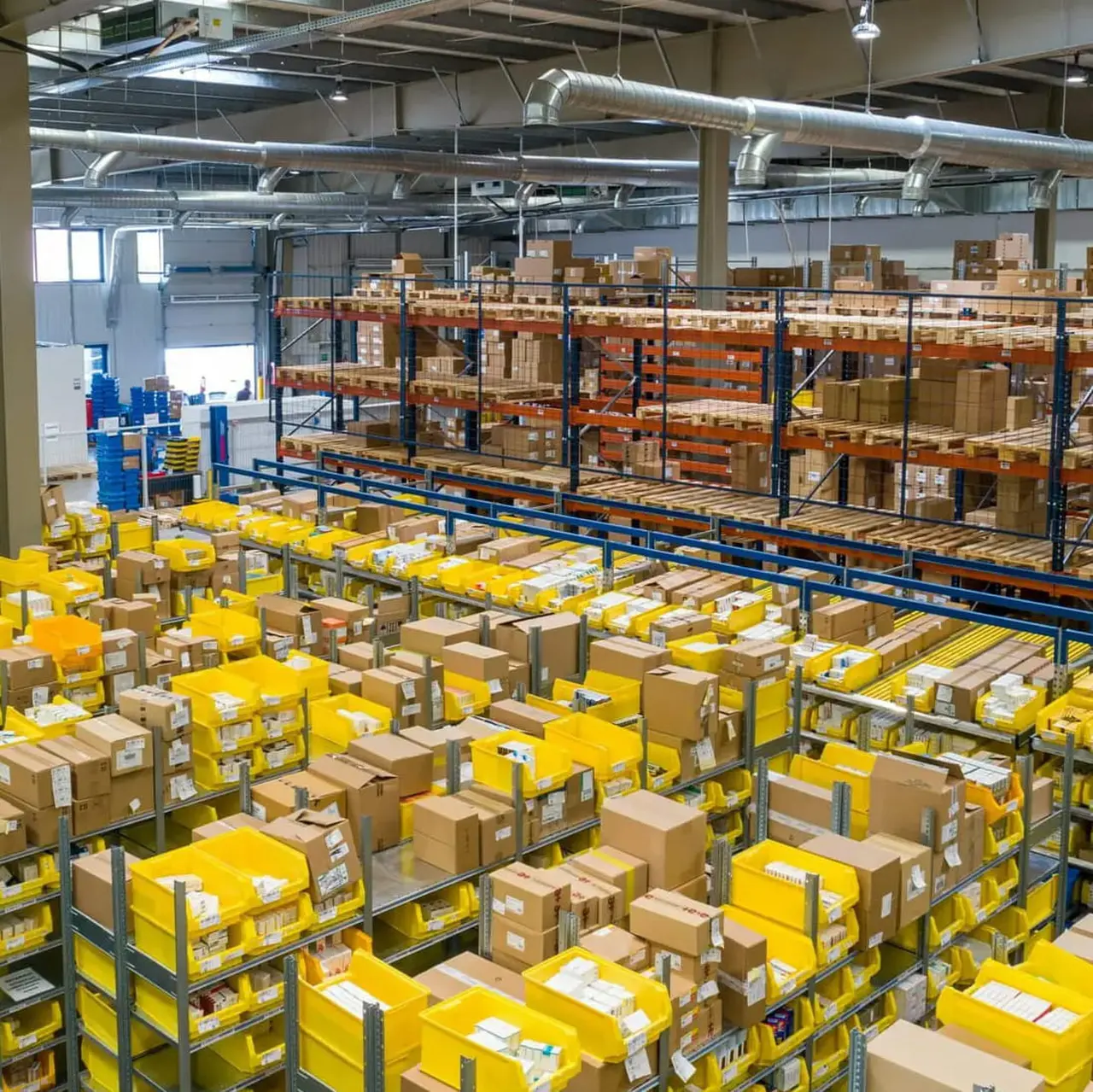
When an e-commerce brand begins to grow, logistics quickly becomes the link that makes or breaks the customer experience.
1. Do not confuse price and total cost
The first instinct is to compare the price scales. It is necessary, but insufficient. The real cost of a logistics service includes elements that many brands discover too late: goods reception costs, additional handling costs for fragile or bulky items, penalties for stock shortages or preparation errors, and storage billing by volume or pallet.
An attractive price list can hide a cost structure that explodes as soon as your catalog becomes more complex. Systematically request a simulation of your real flow, with your references, your volumes and your packaging specifications. A good service provider will accept this exercise without hesitation.
2. The error rate, the most underestimated indicator
A poorly prepared package means an unhappy customer, a return to manage, a credit to issue, and an eroding reputation. However, very few brands think about asking their service provider about their preparation error rate during the selection phase.
The best carriers have rates of less than 1 error per 10,000 orders shipped. This is the order of magnitude to remember. Beyond that, the impacts on your customer service and your margin become significant, especially if your positioning is premium and every interaction counts.
Don’t hesitate to ask for historical data. A service provider who does not measure this indicator or who refuses to communicate it sends a clear signal.
3. Operational compatibility with your activity
Not all logisticians know how to do everything. Some are optimized for standardized volume and simple references. Others have developed expertise in specific types of products or brands: fragile items, cosmetic products subject to regulatory constraints, jewelry requiring careful packaging, or textile items requiring quality control upon receipt.
Before signing, ask the right questions: do they have references in your sector? Can they connect you with current clients? Are they equipped for your type of conditioning? The answer to these questions is often more revealing than any sales brochure.
4. Technical connectivity: a criterion that has become essential
In 2024, a logistics provider who does not integrate neatly into your technical ecosystem is a permanent source of friction. Real-time inventory synchronization, reporting of tracking numbers, automated returns management: these flows must work without manual intervention from your team.
Check the connectors available with your CMS (Shopify, WooCommerce, PrestaShop) and your OMS if you have one. Find out about integration times and costs. Some service providers charge for specific developments which can represent several thousand euros not anticipated at start-up.
5. The ability to support your growth
A logistician who perfectly meets your needs today can become a hindrance tomorrow if your activity accelerates. Ask them about their absorption capacity during peak periods: Black Friday, sales, collection launches. What are its processing times during peak periods? Does it have a flexible workforce? Is there space available if your inventory doubles?
The question of scalability is particularly critical for rapidly growing brands, which can see their volume triple in twelve months. Changing logisticians during a ramp-up is one of the riskiest situations there is.
6. The commercial relationship: a decisive human factor
Logistics is a long-term relationship. You will entrust this service provider with your products, your brand image and part of your customer experience. The quality of commercial monitoring, responsiveness in the event of a problem, transparency on incidents: these are elements which do not appear in any call for tenders, but which make all the difference on a daily basis.
During the first meetings, observe how the interlocutor answers your difficult questions. Is he overpromising or being transparent? Does he offer you a warehouse tour? Does it connect you with existing customers? These signals are often more reliable than commercial arguments.
In summary
Choosing a logistician means making a structuring decision for your activity, with lasting effects on customer satisfaction, operational costs and growth capacity. Taking the time to compare on the right criteria, beyond just price, is probably one of the best investments an e-commerce brand can make before delegating this critical step.