








After 11 years in Guangdong factories, I saw French SMEs lose thousands of euros on non-compliant production. Here’s why.
A French manager called me a few months ago
It has been importing technical products from China for several years. Established suppliers, trusted relationships, quality checks regularly ordered and paid for.
Its latest delivery has just arrived in France. 50% of production is non-compliant. Packaging not respected, specifications ignored, visual defects as a series.
His supplier does not understand the problem. For his part, everything went well.
I have seen this case happen dozens of times over 11 years. And as I explained in my first column on the JDNthe most costly mistakes in China are rarely those we anticipate.
1. Spot quality control is an illusion
Many French SMEs order spot inspections before shipment. On paper, that’s reassuring. In reality, this is often unnecessary.
For what ? Because when the inspector arrives, the boxes are already closed. Production is complete. The defects are packed.
The supplier knows when the inspection is scheduled. He prepares what he shows. The rest goes in a container.
Spot quality control detects problems after they have been created. He doesn’t stop them.
2. Your supplier does not cheat, he optimizes
This is the point that most French buyers don’t understand.
The Chinese supplier does not aim to deliver bad goods to you. Its objective is to produce quickly, at the lowest cost, without friction. If no one is there to impose your demands on a daily basis, he applies his own.
He changed raw materials because his usual supplier was out of stock. It changes the conditioning because it’s faster. He adjusts a dimension because his operator deemed the tolerance unnecessary.
No bad faith. Just local optimization, without reference to your standards.
3. What changes everything: a permanent field presence
The only thing that works is to have someone on site regularly, not occasionally, who imposes the processes upstream of production, not at the end.
Concretely, this means:
Be present from the series launch to validate the first parts before production begins.
Being able to block a shipment if standards are not met and the supplier knows it.
Build a daily working relationship, not a remote control relationship.
In China, compliance with requirements is directly proportional to the presence of the person imposing them. It’s cultural, it’s structural, it’s non-negotiable.
Conclusion
The manager I mentioned in the introduction calculated the cost of this non-compliant delivery: customer returns, partial destruction of stock, urgent new order, disrupted deadlines. Several tens of thousands of euros.
The cost of a permanent field presence in China? A fraction of that.
The real risk in China is not the dishonest supplier. It is the absence of someone to enforce what has been agreed.
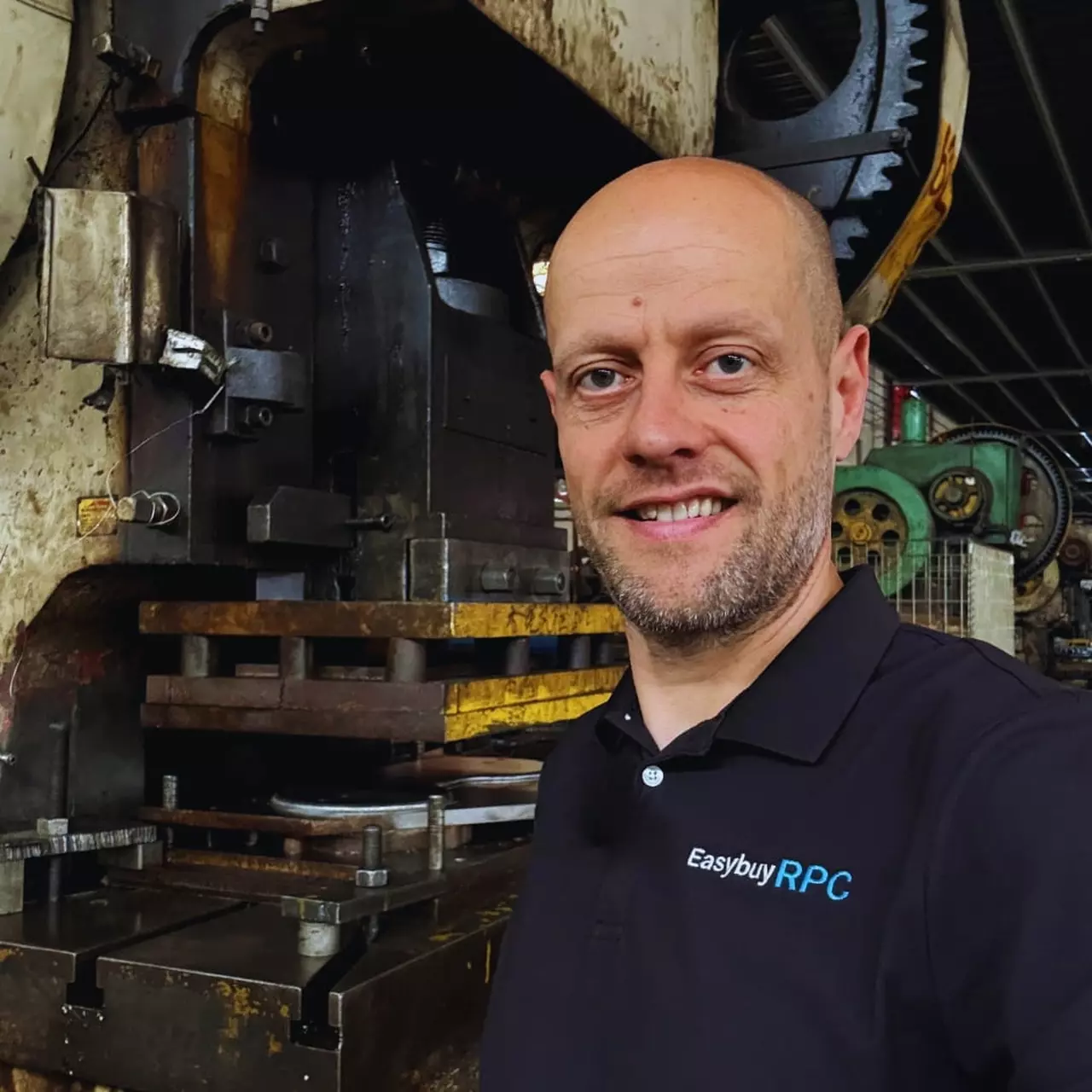
Nicolas Allard, founder of Easybuyrpc and field agent in China for 11 years, supports French, Belgian and Swiss SMEs in their import operations from China.