









In real estate law, tenants and owners must respect the Town Planning Code and the co-ownership regulations. Illegal practices on their windows and balconies expose them to legal action this summer.
In the heart of summer, the facades of buildings come alive. Under the effect of summer heat, the French are using their windows and balconies more. The laundry is hung outside, the planters are flowered and the 15 million homes with a balcony set up this space to have an aperitif with friends, a meal with family or enjoy a good sunbath lying on the bottom of a deck chair or in the hollow of a hammock.
However, what seems to be a completely banal use of these outdoor spaces can result in sanctions for those who ignore the regulations in force. Whether they own or rent their home, all individuals must respect various obligations regarding the use of their windows and balconies. Violators are exposed to fines and legal proceedings according to article R610-5 of the Penal Code. Especially since the gendarmes and municipal police increase their patrols during the summer, observing buildings to report these offenses.
Among the most common illegal practices is the improper installation of planters and flower pots outdoors. The law requires that these elements be secured in a secure manner to avoid any risk of falling. If a planter falls on a parked vehicle or on the sidewalk, the occupant of the accommodation may be held civilly liable. The consequences can be particularly serious in the event of material damage or personal injury: for example if a pedestrian is injured or if a car is damaged. To protect yourself against these risks, it is advisable to place gardening installations inside the railings of your window or balcony and never towards the outside.
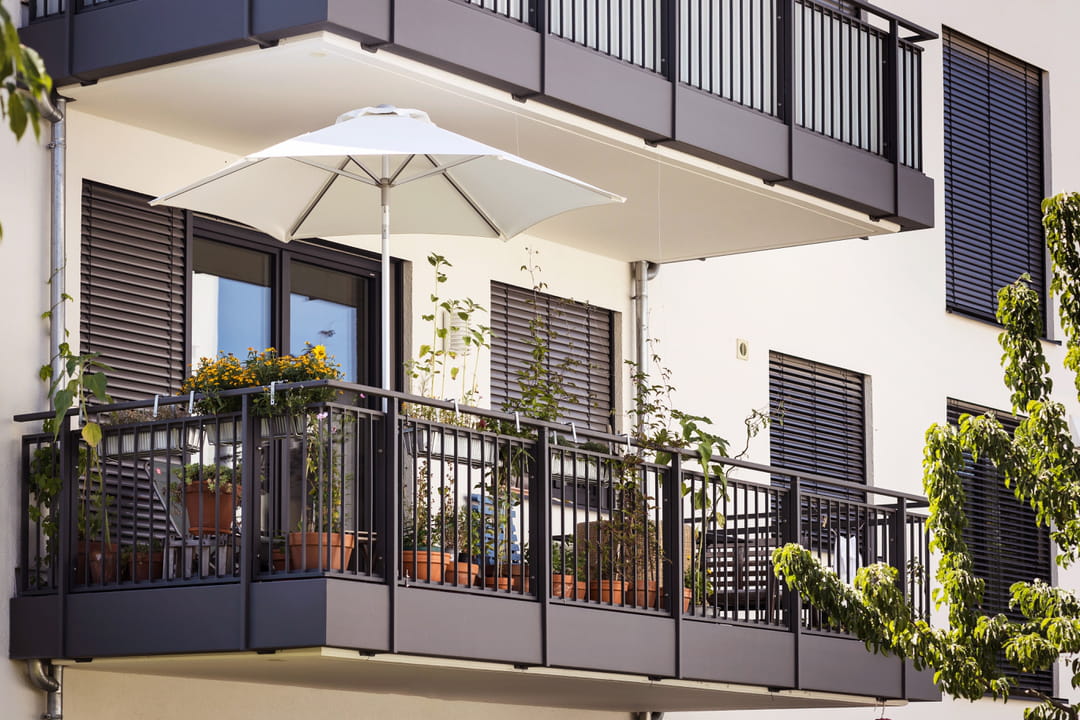
Co-ownership regulations often add additional constraints. Some simply prohibit the installation of planters outside the guardrails. Others set limits on the weight or size of these items.
Drying laundry outdoors is also subject to precise regulations. Condominium regulations and municipal by-laws may prohibit hanging clothes outside the railings. Some texts require the use of discreet dryers which must not exceed the height of the guardrail. Specific times can even be set for hanging laundry outside. The use of clothespins is sometimes made compulsory to prevent clothes from flying away and landing in the street.
For more privacy, some people install privacy screens made of canvas, artificial foliage, wood or bamboo on the railings and railings of their balconies and windows. Without prior authorization from the co-ownership, this practice is completely illegal. In question, seen from the outside, these initiatives can degrade the harmony of the facade of the building.
Finally, to protect themselves from the sun, residents of accommodation with a balcony may be tempted to install a parasol in this outdoor space. Here too, it is absolutely prohibited. A gust of wind and the parasol ends up on the public highway. Another problem linked to this installation: the feet of certain parasols are particularly heavy and can therefore weaken the structure of the balcony.
If they do not respect the co-ownership regulations or the municipal decrees in force, tenants and owners are exposed to fines which can range from 38 to 750 euros. After formal notice from the co-ownership or the municipality, the occupants also risk legal action.


